
Body Care
Sunday Shop Turkish Towel Serbet
Jun
The Sunday Shop Turkish Towel Serbet is the kind of home textile that quietly walks into a bathroom, beach bag, guest room, or patio basket and says, “Relax, I’ve got this.” It is not trying to be the loudest towel in the linen closet. It is not wearing a robe and demanding spa music. Instead, it leans into what Turkish towels do best: lightweight comfort, quick-drying practicality, elegant texture, and a casually stylish look that works almost anywhere.
Originally listed by Sunday Shop, the New Orleans-based home and interiors boutique associated with Logan Killen, the Turkish Towel Serbet became part of the broader conversation around thoughtful Southern interiors, relaxed luxury, and useful objects that still look beautiful when left out in plain sight. That last part matters. Some towels look like they belong hidden behind a cabinet door. A Turkish towel looks like it understands composition, lighting, and maybe even your Pinterest board.
In this guide, we will explore what makes the Sunday Shop Turkish Towel Serbet appealing, why Turkish towels remain popular in American homes, how to use one beyond the bathroom, how to care for it, and why this humble textile can do more design work than a decorative object that just sits there looking expensive.
What Is the Sunday Shop Turkish Towel Serbet?
The Sunday Shop Turkish Towel Serbet is a curated Turkish towel once featured as a bath textile from Sunday Shop. Remodelista listed it as a Sunday Shop product priced at $68 at the time of publication, and it appeared in the context of a stylish New Orleans shotgun-house renovation. That context tells us something important: this towel was not presented as a basic utility item. It was selected as part of an interior design story.
Sunday Shop is known for thoughtful home goods, furniture, lighting, textiles, art, and accessories with an easy, lived-in sensibility. The boutique’s design language favors comfort, craft, and pieces that feel calm rather than fussy. In that environment, a Turkish towel fits perfectly. It is useful, but it also has personality. It can hang on a hook, fold over a tub, drape across a chair, or roll neatly into a basket without looking like laundry escaped and is now making a run for freedom.
Why Turkish Towels Are Different
A traditional Turkish towel, often called a peshtemal or hammam towel, is usually flat-woven rather than thick and looped like a standard terry towel. Many are made from Turkish cotton, a long-staple cotton prized for strength, softness, and absorbency. The result is a towel that feels lighter, dries faster, and takes up less room than a bulky bath sheet.
American shoppers often discover Turkish towels through travel, beach gear, boutique hotels, spa bathrooms, or design stores. The appeal is easy to understand. A Turkish towel can be a bath towel in the morning, a beach towel in the afternoon, a throw at sunset, and a scarf when the air-conditioning at dinner decides to reenact winter. It is the multitasker of textiles, minus the smug productivity podcast.
Lightweight but Absorbent
The biggest surprise for first-time users is that a thin towel can still dry effectively. Turkish towels absorb moisture differently from thick terry towels. They do not always feel plush in the same way, but they are efficient. Instead of wrapping yourself in a cloud, you are using a textile that drinks up water, dries out quickly, and does not stay damp for half the day.
Quick-Drying for Real Life
Fast drying is not just a luxury. It is practical. In humid bathrooms, small apartments, beach houses, dorm rooms, gym bags, and busy family homes, a towel that dries faster can help reduce that dreaded musty smell. You know the one. The smell that says, “Someone left me crumpled on the floor, and now I have opinions.”
Compact and Travel-Friendly
A Turkish towel folds smaller than a traditional terry towel, making it ideal for travel, pool days, yoga classes, camping, and beach weekends. It saves space in luggage and linen closets. For people who enjoy minimalist living, this is a major advantage. For people who do not enjoy minimalist living but are running out of closet space anyway, it is still a major advantage.
The Design Appeal of the Serbet Style
The name “Serbet” evokes the Turkish word şerbet, traditionally associated with sweet, fruit- or flower-based drinks. While the original product listing does not provide a detailed naming story, the word gives the towel a soft cultural resonance. It suggests warmth, hospitality, and refreshment. That makes sense for a towel designed for bathing, lounging, and relaxed living.
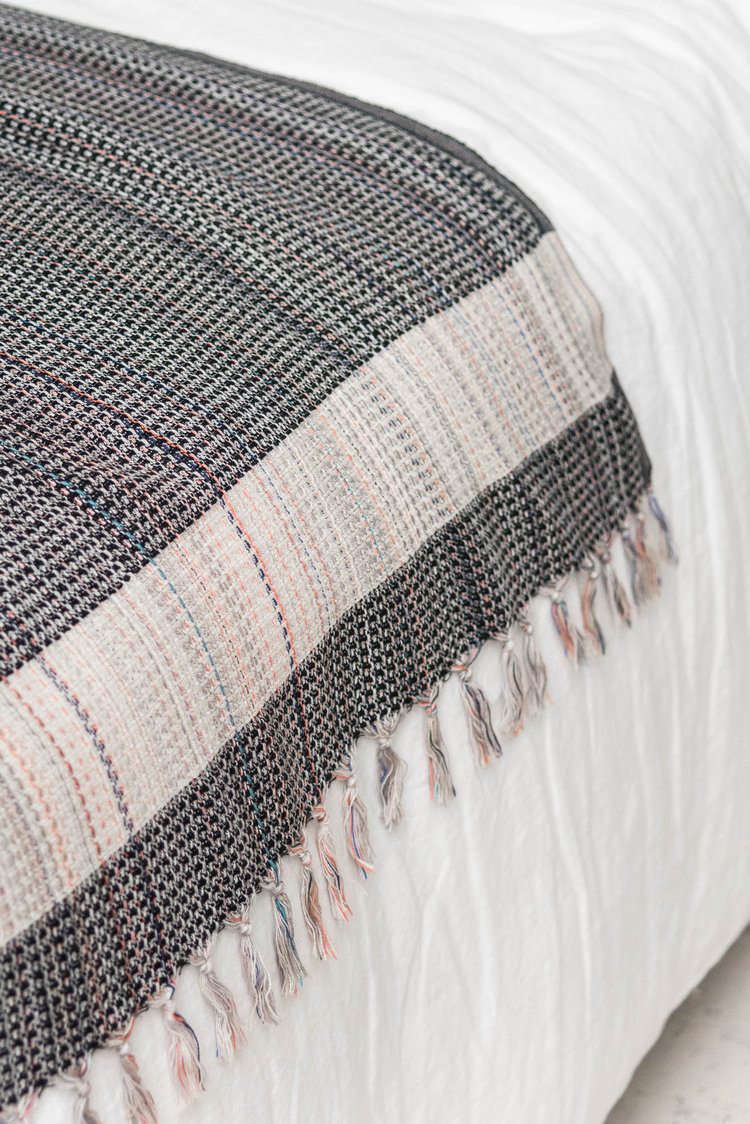
Visually, Turkish towels often rely on stripes, woven patterns, neutral tones, fringe, ribbing, or subtle texture. The beauty is in restraint. Instead of shouting for attention, they create atmosphere. A Turkish towel can make a bathroom feel more collected, a guest room feel more intentional, and a poolside chair feel like it belongs in a boutique hotel where someone definitely knows how to garnish sparkling water.
How to Use a Sunday Shop Turkish Towel Serbet at Home
The best thing about a towel like this is that it does not need to stay in one lane. It is designed for drying, yes, but its size, texture, and drape make it useful throughout the home.
In the Bathroom
Use it as a bath towel, hand towel, decorative layer, or guest towel. Turkish towels look especially good in bathrooms with natural materials like marble, wood, plaster, ceramic tile, brass fixtures, and woven baskets. If your bathroom leans simple, the towel adds softness. If your bathroom already has a strong design style, the towel adds texture without creating visual chaos.
At the Beach or Pool
As a beach towel, the Sunday Shop Turkish Towel Serbet makes a strong case for leaving bulky terry towels at home. It is easy to shake out, quick to dry, and light enough to carry with sunscreen, a book, snacks, and the optimism that you will actually read more than three pages.
As a Throw or Light Blanket
Fold it over the arm of a sofa, drape it at the foot of a bed, or keep it in a porch basket for cool evenings. Turkish towels often work beautifully as lightweight throws because they add texture without the heat of a heavy blanket.
For Travel
Pack it for hotels, road trips, camping, or vacation rentals. It can serve as a towel, picnic layer, airplane blanket, sarong, hair wrap, or emergency “this rental chair is suspicious” barrier. Travel teaches us many things. One of them is that a versatile towel earns its suitcase space.
Sunday Shop, New Orleans Style, and Easy Living
The Sunday Shop Turkish Towel Serbet makes sense within the larger Sunday Shop aesthetic. Sunday Shop’s New Orleans roots are important because the city has a distinct relationship with interiors. Homes there often balance old and new, formal and casual, romance and practicality. A single room may include antique wood, modern lighting, handmade ceramics, family pieces, and something charmingly imperfect that makes the whole space feel alive.
That is where a Turkish towel shines. It is not precious. It can be used every day. But it also contributes to the mood of a room. In a Southern bathroom, a towel like this feels relaxed rather than sterile. In a coastal home, it feels breezy. In a city apartment, it adds warmth. In a guest room, it says, “We thought about your comfort,” which is much better than saying, “Good luck finding the towels.”
Turkish Towel vs. Traditional Terry Towel
A traditional terry towel is thick, fluffy, and familiar. It is excellent for people who want maximum plushness after a shower. A Turkish towel is slimmer, more flexible, and often faster to dry. Neither is automatically better for everyone. The best choice depends on lifestyle.
Choose a Turkish towel if you want something lightweight, compact, stylish, and quick-drying. Choose terry if you prefer a dense, hotel-style towel with a plush feel. Many households benefit from having both: terry towels for indulgent baths and Turkish towels for daily use, travel, gym bags, beach days, and guests.
How to Care for a Turkish Towel
Proper care helps a Turkish towel become softer and more absorbent over time. The first rule is simple: always check the product label. Different weaves, dyes, and finishes may require slightly different care. Still, most Turkish towels follow similar best practices.
Wash Before First Use
New towels should be washed before use. This helps remove manufacturing residue, dust, and excess dye while allowing the cotton fibers to open up. Some Turkish towel owners also soak the towel in cold water before the first wash to encourage absorbency.
Use Mild Detergent
A small amount of gentle detergent is usually enough. Too much detergent can build up in the fibers, making towels feel stiff or less absorbent. This is one of those laundry truths that feels unfair because detergent is supposed to clean things, not secretly sabotage them.
Avoid Fabric Softener
Fabric softener can coat cotton fibers and reduce absorbency. For towels, that is a problem. A towel that refuses to absorb water is basically decorative fabric with commitment issues.
Dry Gently
Air drying is ideal, but low heat in the dryer can also work. Avoid high heat when possible, because it may stress the fibers or contribute to shrinkage. Shake the towel out before hanging or folding to keep the weave relaxed.
Who Should Buy a Turkish Towel Like Serbet?
The Sunday Shop Turkish Towel Serbet is especially appealing for design-conscious shoppers who want home goods that are practical and beautiful. It suits people who appreciate boutique interiors, handmade-looking texture, lightweight textiles, and items that can move from bathroom to beach to bedroom without looking out of place.
It is also a smart choice for small-space living. If your linen closet is already full, replacing a few bulky towels with Turkish towels can free up room. If your bathroom has poor ventilation, a quicker-drying towel can make daily life more pleasant. If you host guests, Turkish towels add a thoughtful touch without requiring a full renovation, a candle budget, or a mysterious antique ladder from a flea market.
Styling Ideas for the Sunday Shop Turkish Towel Serbet
In a bathroom, hang the towel from a simple brass or matte black hook. Let the fringe show. Fold it lengthwise over a tub edge. Stack two or three in an open shelf with handmade soap, a small vase, and a natural sponge. The goal is effortless, not “I arranged this shelf for forty-seven minutes while whispering color theory.”
In a bedroom, use the towel as a folded accent at the foot of a bed or over a reading chair. In a beach house, roll several towels into a basket by the door. On a patio, keep one nearby for cool evenings or post-swim lounging. The towel works best when treated as part of daily life, not as a museum object.
Buying Considerations
Before buying any Turkish towel, consider fiber content, weave, size, care instructions, and intended use. A larger towel works better for beach and bath use. A smaller version may be better as a hand towel or guest towel. Cotton towels are usually soft and absorbent, while cotton-linen blends may feel more textured and airy.
Also pay attention to return policies and availability. Because boutique products may rotate seasonally, a specific style like the Sunday Shop Turkish Towel Serbet may not always be available. If you are shopping for the exact item, check Sunday Shop directly or look for comparable Turkish towels with similar texture, scale, and tone.
Experience: Living With a Turkish Towel Like the Sunday Shop Serbet
The first time you use a Turkish towel, you may wonder whether something so thin can really replace a regular bath towel. That skepticism is fair. Most Americans grew up believing towel quality could be measured by fluff height, like a tiny cotton mountain range. Then you use a Turkish towel for a week, and the logic changes.
After a shower, the towel feels light against the skin, not heavy or damp. It wraps easily, tucks securely, and does not create the bulky feeling of a giant terry bath sheet. It may not deliver the same plush hug as a resort towel, but it offers something different: ease. It dries you, then dries itself. That is a surprisingly big deal during busy mornings.
In a guest bathroom, a Turkish towel like the Serbet can make the space feel more personal. Guests notice textiles. They may not compliment the grout or identify the faucet finish, but they will notice a towel that feels special. A neatly folded Turkish towel suggests care without being overly formal. It says, “Welcome,” not “Please do not touch anything in this house.”
For beach days, the experience is even better. A Turkish towel takes up less room in a tote, shakes off more easily than thick terry, and dries quickly enough that you are not packing a damp sand sponge into the car. It also works as a wrap when the wind picks up or as a soft layer on a chair that has been baking in the sun with the enthusiasm of a cast-iron skillet.
At home, the towel becomes one of those objects that migrates. It starts in the bathroom, then appears on the porch, then gets packed for a weekend trip, then becomes the favorite light blanket for reading on the sofa. This is the secret charm of a good Turkish towel: it does not need permission to be useful. It adapts.
There is also a small pleasure in how it ages. With proper washing, Turkish cotton tends to soften over time. The towel becomes less like a new purchase and more like a familiar part of the household. The fringe relaxes. The weave loosens slightly. The fabric gains character. In a world full of home products that look best only on delivery day, that kind of graceful aging feels refreshing.
The Sunday Shop Turkish Towel Serbet, whether purchased as the original boutique item or used as inspiration for choosing a similar towel, represents a practical design philosophy: buy fewer things, choose better things, and let everyday objects carry beauty. A towel does not have to be boring just because it works hard. In fact, the best ones work hard and look calm doing it.
Conclusion
The Sunday Shop Turkish Towel Serbet is more than a bath textile. It is a reminder that useful objects can still be beautiful, versatile, and full of quiet personality. With its Turkish towel heritage, boutique design appeal, lightweight feel, and easy styling potential, it belongs in bathrooms, beach bags, guest rooms, and anywhere else a soft, quick-drying layer might improve the day.
For anyone building a more thoughtful home, this is the kind of piece that earns its place. It saves space, dries quickly, looks elegant, and handles real life with grace. That is a lot for one towel. Frankly, some furniture does less.
SEO Tags
Note: Product availability, pricing, and exact specifications may change over time. This article is written as original web content based on real product references, Turkish towel characteristics, textile-care guidance, and interior design context.

