
Skincare
Hey Pandas, Share A Photo Of Your Desk
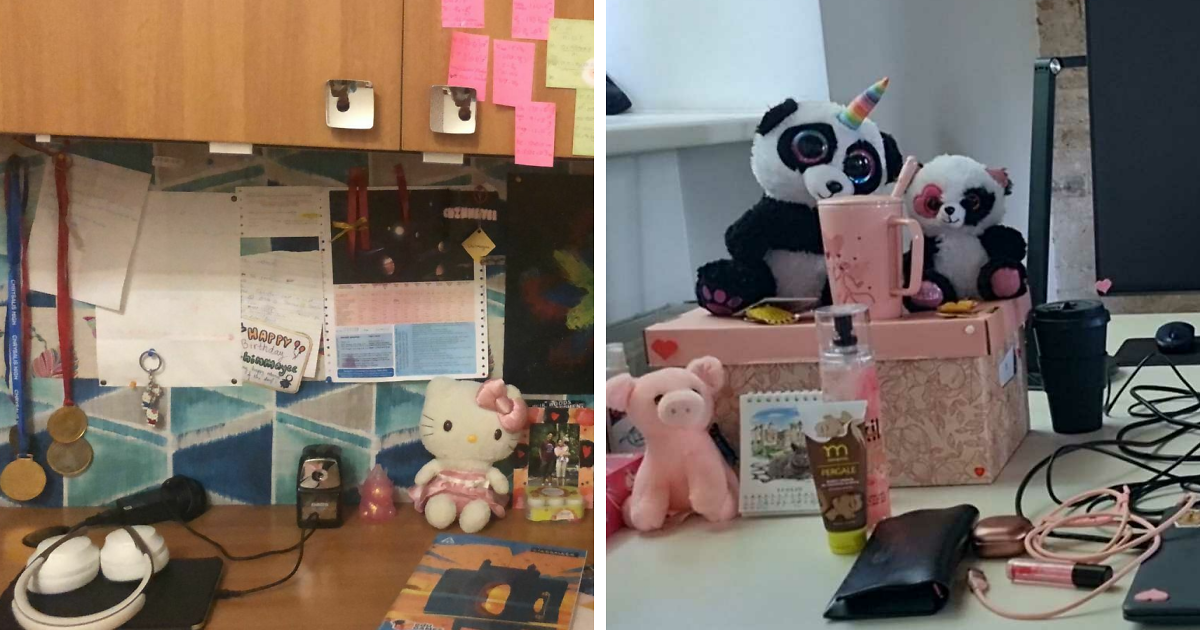
Jun
Some people can tell a lot about a person by looking at their bookshelf. Others study shoes, coffee orders, or the number of browser tabs someone keeps open before their laptop starts whispering prayers. But if you really want a tiny window into someone’s daily life, ask them to share a photo of their desk.
A desk is more than a flat surface where pens disappear into another dimension. It is a command center, snack station, creative battlefield, gaming cockpit, homework zone, bill-paying bunker, and sometimes a mysterious archaeological site containing receipts from three tax years ago. That is exactly why the prompt “Hey Pandas, Share A Photo Of Your Desk” is so fun. It invites people to show the real places where ideas happen, work gets done, and coffee mugs multiply like friendly ceramic rabbits.
Whether your desk is spotless enough to host a product photo shoot or so chaotic it deserves its own weather system, it has a story. A shared desk photo can reveal personality, priorities, habits, hobbies, and even how someone solves problems. Minimalist desks whisper, “I know where everything is.” Creative desks shout, “I also know where everything is, but only spiritually.” Both are valid. Both are fascinating.
Why Desk Photos Are So Addictive To Look At
Desk photos have become a small but powerful corner of internet culture because they combine three irresistible things: curiosity, inspiration, and mild nosiness. People love seeing how others arrange their workspaces because it offers practical ideas and personal storytelling in one quick glance.
A desk photo might show a perfectly aligned monitor, a mechanical keyboard glowing like a tiny cyberpunk city, a notebook full of sketches, a plant bravely surviving beside a laptop, or a cat occupying the exact space where productivity was supposed to happen. Each image answers a simple question: “How does this person get through the day?”
For remote workers, students, artists, gamers, writers, crafters, and office professionals, the desk is often the most-used piece of furniture in the home. As hybrid and remote work remain part of modern life, the home desk has become less of an afterthought and more of a personal headquarters. That makes desk inspiration useful, not just decorative. A good photo can spark ideas for lighting, storage, ergonomics, cable management, or simply where to place the emotional-support coffee.
What Your Desk Says About You
No, your desk cannot reveal your entire personality. That would be creepy, and your stapler is not a licensed therapist. But your workspace does offer clues about how you think, create, and recharge.
The Minimalist Desk
The minimalist desk usually features a laptop, one monitor, maybe a notebook, and absolutely no mystery cables. This setup suggests a person who values focus, visual calm, and the freedom to clean the whole desk in under two minutes. Minimalist desks work especially well for writers, consultants, coders, and anyone who feels personally attacked by clutter.
The Creative Chaos Desk
This desk has markers, sticky notes, camera gear, half-finished sketches, fabric samples, reference books, and possibly a snack hiding under a sketchpad. It may look messy to outsiders, but the owner often knows exactly where everything is. Creative desks can be highly functional because the materials are visible, accessible, and ready for action. The danger, of course, is when “creative energy” slowly becomes “where did I put my phone?”
The Gamer Desk
The gamer desk has personality turned up to full brightness. Expect RGB lighting, a large mouse pad, headset stand, multiple monitors, collectibles, and a chair that looks like it was designed by a race car and a spaceship after three energy drinks. Gamer desks are often great examples of cable management, monitor placement, and immersive personal design.
The Plant Parent Desk
This desk features greenery, natural light, earthy colors, and at least one plant with a name like Gerald or Fernanda. Plants add warmth and texture, and they can make a workspace feel less sterile. Just remember: if your pothos has taken over your keyboard, it may be time for a gentle boundary conversation.
The Student Desk
The student desk usually tells a dramatic story of ambition, deadlines, highlighters, flashcards, and snacks that qualify as “study fuel” only under emergency academic law. A good student desk needs three things: enough clear writing space, strong lighting, and a system for separating active assignments from old papers that are only pretending to be important.
How To Take A Desk Photo People Will Actually Want To See
You do not need professional photography skills to share a great desk photo. You only need decent lighting, a clear subject, and a quick privacy check so your desk does not accidentally reveal your bank statement, home address, work login, or the password written on a sticky note labeled “definitely not password.”
Use Natural Light When Possible
Desk photos look best near a window or in soft daylight. Harsh overhead lighting can make even a beautiful workspace look like an interrogation room. If natural light is not available, use a desk lamp or warm room lighting to make the space feel inviting.
Choose A Clear Angle
A straight-on shot works well for showing the overall setup. A slightly angled shot can make the desk feel more personal and lived-in. If your desk has interesting details, such as a favorite mug, handmade organizer, or tiny dinosaur guarding your keyboard, take a close-up too.
Tidy, But Do Not Sterilize
You do not have to make your desk look like nobody has ever worked there. A little personality is the whole point. Remove trash, old cups, private papers, and anything distracting, but keep the objects that tell your story. A notebook, a plant, a favorite pen, or a small keepsake can make the photo more memorable.
Check For Private Information
Before sharing, zoom in on the photo. Look for visible documents, email addresses, calendar details, shipping labels, medication bottles, school names, workplace information, or personal photos you do not want public. A desk photo should share your vibe, not your entire life file cabinet.
Desk Setup Tips That Make A Real Difference
A good-looking desk is nice. A comfortable desk is better. A desk that lets you finish your work without turning your spine into a question mark is the true champion.
Start With Chair Height
Your chair should allow your feet to rest flat on the floor or on a footrest. Your knees should feel relaxed, and your hips should not be dramatically higher or lower than your knees. If your feet dangle, your chair is not a throne; it is a problem wearing wheels.
Keep Your Screen At A Comfortable Height
Your monitor should be positioned so you are not constantly bending your neck downward. For many people, the top portion of the screen sits around eye level. If you use a laptop for long sessions, consider raising it on a stand and using an external keyboard and mouse. Your neck will send a thank-you card.
Place Keyboard And Mouse Close
Your keyboard and mouse should sit close enough that your elbows can stay near your body. Reaching forward all day may seem harmless, but it can create shoulder and wrist strain over time. Keep your wrists neutral, your shoulders relaxed, and your mouse somewhere other than “halfway to the next county.”
Mind The Lighting
Glare can make you squint, lean forward, and slowly transform into a desk goblin. Position screens away from direct window glare and add task lighting for reading, writing, or detail work. A lamp is both practical and photogenic, which is the rare workplace double win.
Create Zones
Even small desks can benefit from zones. Keep your main work area clear, store tools to one side, and use drawers, trays, shelves, or wall organizers for supplies. The goal is not perfection. The goal is to stop your headphones, scissors, charger, and tax forms from forming a tiny rebellion.
How To Organize Your Desk Without Becoming A Minimalist Monk
Desk organization does not mean owning only one pen and a glass of emotionally neutral water. It means giving every item a job and a home. If something does not help you work, create, study, or feel better, it may not need premium desktop real estate.
Use The “Daily Reach” Rule
Items you use every day belong within easy reach: keyboard, mouse, notebook, planner, charger, headphones, and maybe lip balm if you live in a climate determined to turn humans into crackers. Items used weekly can go in a drawer. Items used once a year should not be sitting beside your keyboard like they pay rent.
Control Paper Before It Builds A Civilization
Paper clutter is sneaky. One receipt becomes a stack. One stack becomes a pile. One pile becomes a landmark. Use a simple tray system: action items, reference papers, and items to scan or recycle. Once paper has a destination, it becomes less powerful.
Tame The Cables
Cable clutter can make even a beautiful desk look stressed. Use clips, ties, sleeves, or a cable box to gather cords. Label chargers if you have multiple devices. Throw away broken cables unless you enjoy maintaining a museum of electrical uncertainty.
Limit Decorative Items
Personal touches make a desk feel human, but too many objects can compete for attention. Choose a few meaningful pieces: a photo, a small plant, a figurine, a candle, a nice mug, or artwork. Think “cozy and inspiring,” not “gift shop after an earthquake.”
Fun Desk Photo Ideas For Pandas To Share
If you are joining a “Hey Pandas, Share A Photo Of Your Desk” thread, you can make your post more interesting by adding a short caption. A photo is great, but a caption gives context and helps other people connect with your setup.
Try These Desk Photo Prompts
Share your “real desk on a deadline” photo. Post your “Sunday reset” desk. Show your “tiny apartment workspace.” Share your “artist desk after a project.” Post your “gaming setup at night.” Show your “student desk during finals.” Share your “desk with pet supervisor.” Show the item on your desk that makes you happiest.
These prompts work because they invite honesty. Not every desk needs to be magazine-ready. In fact, the most interesting desks often look lived-in. A desk with a half-used notebook, a mug, a lamp, and one chaotic sticky note can feel more relatable than a desk so perfect it looks like it has never experienced a Monday.
What Makes A Desk Inspiring?
An inspiring desk is not necessarily expensive. It is not always large, matching, trendy, or spotless. The best desks support the person using them. That might mean a wide desktop for drawing, a standing desk for movement, a compact writing table in a bedroom corner, or a kitchen-table setup packed away at dinner.
Inspiration comes from fit. A workspace should fit your tasks, your body, your room, and your personality. If you do video calls, your background matters. If you write by hand, you need open surface space. If you build models, sew, paint, or repair electronics, you need containers and task lighting. If you are easily distracted, you may need fewer objects in view. If you feel drained by empty spaces, you may need color, art, or texture.
The most useful desk photos show how real people solve real problems. A monitor on books can be smart. A pegboard above a tiny desk can be brilliant. A rolling cart next to a craft table can save the day. A secondhand chair with a lumbar pillow can be a budget-friendly improvement. Great desk design is not about pretending to be fancy. It is about making daily life a little smoother.
Desk Photo Privacy: The Not-So-Boring But Very Important Part
Before you post a desk photo online, take a moment to inspect the image. This step is not glamorous, but neither is explaining to strangers why your address was visible on an envelope beside your succulent.
Hide work documents, client names, school information, ID badges, mail, invoices, prescription labels, passwords, private messages, and calendar details. If your screen is visible, close sensitive tabs or blur the screen. If family photos are in the background, make sure everyone pictured would be comfortable being shared online. Your desk can still feel personal without giving the internet a treasure map to your private life.
Experiences Related To “Hey Pandas, Share A Photo Of Your Desk”
The best part of a desk-sharing prompt is that it turns ordinary spaces into tiny stories. One person might post a desk with two monitors, a wireless keyboard, a perfect little lamp, and a notebook opened to a color-coded plan for the week. Another might post a folding table wedged beside a bed, with a laptop, headphones, and a mug that says something brave like “Do Not Speak To Me Until Coffee.” Both desks matter because both represent real people trying to make life work.
In many desk-sharing conversations, the most relatable photos are not the perfect ones. They are the desks with personality. A writer’s desk may have a dictionary, three pens, a candle, and a draft covered in edits. A teacher’s desk might have stacks of papers, stickers, markers, and a water bottle large enough to hydrate a village. A designer’s desk may look like a color explosion, with swatches, tablets, sketches, and five different shades of “almost beige.” A gamer’s desk might be glowing in blue and purple, looking ready to launch a moon mission. A parent’s desk may include a laptop, bills, a school permission slip, and one plastic dinosaur placed there by a tiny coworker with strong opinions.
These photos remind us that productivity is personal. Some people need a clean surface before they can think. Others need visible tools and creative materials around them. Some feel calm with neutral colors and symmetry. Others feel energized by posters, collectibles, plants, and lights. A desk is not successful because it looks like someone else’s Pinterest board. It is successful when the owner can sit down and begin.
Sharing a desk photo can also be surprisingly motivating. When people see another person’s clever setup, they often notice one small improvement they can make immediately. Maybe it is raising a laptop with a stand. Maybe it is moving the lamp to reduce glare. Maybe it is adding a tray for papers, clearing old cups, labeling cables, or finally admitting that seven dead pens do not need to remain in the pen holder “just in case.” Small changes can make a desk feel fresh without requiring a full makeover or a dramatic shopping cart situation.
There is also a wonderful sense of community in seeing imperfect workspaces. A messy desk photo can make someone else feel less alone. A small desk can encourage another person who does not have a dedicated office. A handmade setup can prove that creativity beats budget. A desk squeezed into a corner can say, “This is not ideal, but it works.” That honesty is refreshing in a world full of polished interiors and suspiciously empty shelves.
So, if you are thinking about joining the prompt, take the photo. Share the plant that keeps you company, the keyboard you love, the notebook that catches your wild ideas, or the snack drawer that is absolutely essential to operations. Show the desk where you study, work, draw, write, game, plan, pay bills, build things, or daydream. Your desk does not need to be perfect. It just needs to be yours.
Conclusion
“Hey Pandas, Share A Photo Of Your Desk” is more than a simple community prompt. It is an invitation to celebrate the little spaces where big and small things happen. Desks hold our tools, habits, routines, ambitions, distractions, comforts, and occasional crumbs. They show how we work, what we value, and how we make space for creativity in everyday life.
Whether your desk is minimal, maximal, colorful, neutral, tidy, chaotic, ergonomic, improvised, or currently guarded by a cat, it has something worth sharing. A good desk photo can inspire organization, spark design ideas, start conversations, and remind people that everyone’s workspace looks different. And honestly, that is the fun of it. The world would be boring if every desk looked the same.
Note: Before publishing or submitting a desk photo online, remove or blur private information such as addresses, passwords, work documents, school details, medical labels, financial papers, and personal screen content.

