
Beauty Tools & Accessories
What to do if your IUD fell out
Jun
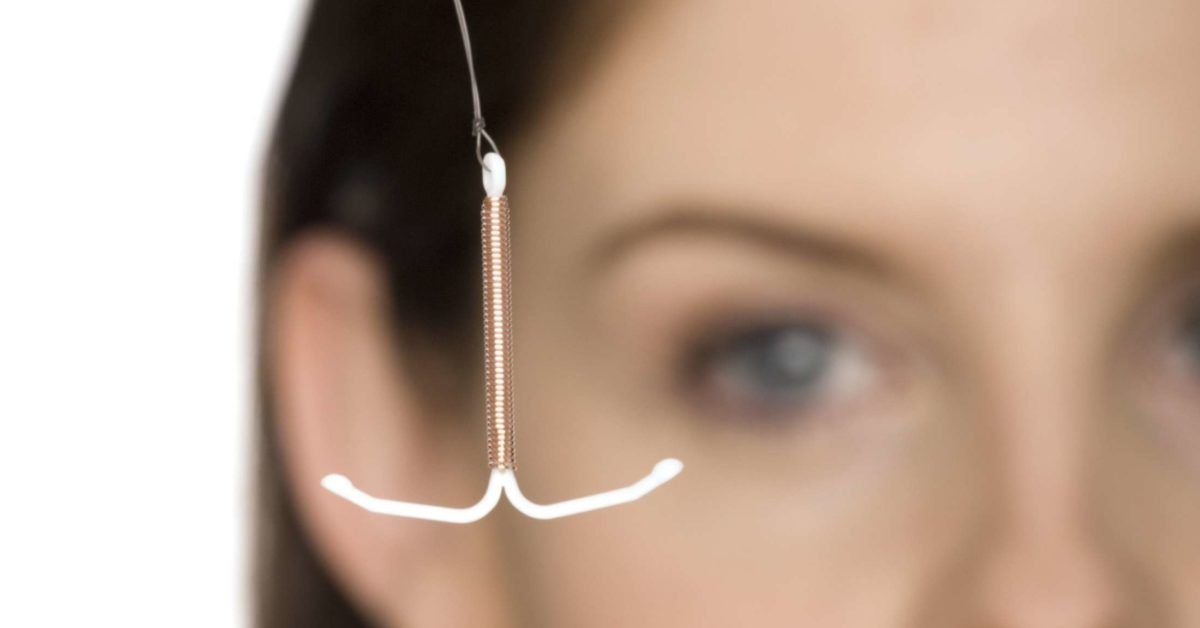
You expected your intrauterine device to remain quietly on duty for yearsnot make an unscheduled appearance in your underwear, menstrual product, or toilet. Although an IUD falling out can be alarming, complete or partial IUD expulsion is a known complication. It is usually manageable, but it requires prompt action because an expelled or displaced IUD may no longer prevent pregnancy.
The most important steps are simple: do not try to put the device back, avoid relying on it for birth control, contact a healthcare professional, and ask about emergency contraception if you recently had vaginal sex without another reliable contraceptive method.
Medical note: This article provides general educational information and does not replace individualized medical care. Seek urgent help for severe pain, fainting, very heavy bleeding, fever, or symptoms of pregnancy accompanied by pelvic pain or bleeding.
What should you do immediately if your IUD fell out?
1. Do not try to reinsert it
An IUD is not like a wireless earbud that can simply be popped back into position. It must be placed through the cervix using sterile medical instruments and positioned correctly inside the uterus.
If the entire device has come out, do not wash it and attempt a do-it-yourself reinsertion. If part of the IUD is protruding from the cervix or vagina, do not push it upward or pull it out by the strings. A partially expelled device should be assessed and removed by a trained healthcare professional.
2. Save the device if you can
If the IUD has completely fallen out, place it in a clean container or sealed plastic bag. You can also take a clear photograph if saving it is inconvenient. A clinician may want to confirm that the whole device came out and that no part appears to be missing.
Do not panic if the device was flushed away or otherwise lost. Tell the clinician what you saw, whether it appeared T-shaped, and whether you noticed any broken or irregular-looking pieces.
3. Assume you may not be protected from pregnancy
A fully expelled IUD is no longer providing contraception. A partially expelled or incorrectly positioned IUD may also be less effective, particularly when it has moved into the cervix.
Until a healthcare professional confirms that an IUD is correctly positioned or provides another contraceptive plan, avoid vaginal sex or use condoms every time. Do not rely on the displaced device as your only birth control.
4. Contact a healthcare professional promptly
Call your gynecologist, family-planning clinic, primary care office, or another reproductive healthcare provider as soon as possible. Explain that you believe your IUD was expelled, whether it came out completely, and when you first noticed the problem.
When you call, be ready to provide:
- The type of IUD you had, if known
- The date it was inserted
- When you noticed it was missing or displaced
- The first day of your last menstrual period
- The date of your most recent vaginal sex
- Whether condoms or another method were used
- Any pain, bleeding, fever, discharge, dizziness, or pregnancy symptoms
This information helps the clinical team decide how quickly you should be examined and whether emergency contraception should be discussed.
Consider emergency contraception after an IUD expulsion
If you had vaginal sex during the five days before discovering the expulsion, contact a clinician or pharmacist immediately about emergency contraception. Do not wait for a routine appointment several weeks away. Emergency contraception is time-sensitive and generally works better when used sooner.
Options available in the United States may include:
- Levonorgestrel emergency contraceptive pills: These are available without a prescription and work best when taken as soon as possible. They can be used within five days, although effectiveness may decline as time passes.
- Ulipristal acetate: This prescription emergency contraceptive pill can be taken within five days after unprotected sex.
- A copper IUD: A clinician may be able to insert a new copper IUD as emergency contraception within the recommended time window, while also providing continuing birth control.
The best option can depend on the timing of sex, your medications, your health history, access to a clinic, and when you can begin another hormonal contraceptive method. A pharmacist or healthcare professional can help you choose without requiring you to become an emergency-contraception detective at the worst possible moment.
Emergency contraceptive pills prevent pregnancy before it begins. They do not end an established pregnancy.
Take a pregnancy testbut understand its timing
A home pregnancy test may be recommended when an IUD has fallen out, especially if your period is late or you have had unprotected sex. However, a test taken immediately after recent sex may be too early to detect pregnancy.
Consider testing now if your period is already late. You should generally repeat the test about three weeks after the most recent unprotected sex if the first result was negative, or follow the testing schedule given by your clinician.
Contact a healthcare professional promptly if the test is positive. Although IUDs greatly reduce the overall chance of pregnancy while correctly positioned, any pregnancy associated with suspected contraceptive failure requires timely evaluation. A clinician may use blood testing and ultrasound to determine the location and stage of the pregnancy.
How can you tell whether your IUD was expelled?
Complete expulsion can be obvious: you may see the small T-shaped device on a pad, in a menstrual cup, in your underwear, or in the toilet. Partial expulsion can be less dramatic and may require an examination.
Possible signs include:
- Feeling the hard plastic portion of the IUD at the cervix or in the vagina
- IUD strings that suddenly seem much longer or shorter
- Strings that were previously noticeable but can no longer be felt
- New or worsening pelvic cramping
- Unexpected heavy bleeding or a major change in bleeding
- Pain during vaginal sex
- Seeing the device come out during a menstrual period
Missing strings do not automatically mean the IUD fell out. The strings can soften, curl around the cervix, or retract into the cervical canal or uterus. The device may also have shifted without leaving the uterus. Because fingers are not ultrasound machinesdespite their impressive résuméa professional evaluation is the safest way to find out what happened.
What happens at the medical appointment?
The clinician will usually ask about your symptoms, menstrual cycle, recent sex, and pregnancy possibility. Depending on the circumstances, the appointment may include a pregnancy test, pelvic examination, string check, or transvaginal ultrasound.
If the IUD is partly inside the cervix, it is considered partially expelled and will generally need to be removed. A partially expelled device should not simply be pushed back into the uterus.
If the strings are missing and the IUD is not seen during an examination, ultrasound can help determine whether it is still inside the uterus. Additional imaging may occasionally be needed when the device cannot be located and uterine perforation is a concern.
If the IUD has fully come out and pregnancy can be reasonably excluded, a new IUD may sometimes be inserted during the same visit. The clinician may instead recommend waiting, using temporary contraception, or selecting another method based on your situation.
When is an IUD expulsion an emergency?
An uncomplicated expulsion without significant pain or bleeding usually does not require an emergency-room visit. It still deserves a prompt call to a healthcare professional because of the pregnancy risk.
Seek urgent medical care when you experience:
- Severe, persistent, or worsening abdominal or pelvic pain
- Sudden pain focused mainly on one side
- Fainting, severe dizziness, weakness, or confusion
- Shoulder pain combined with abdominal pain, bleeding, or a positive pregnancy test
- Very heavy vaginal bleeding, such as repeatedly soaking a full-size pad in about an hour
- Fever, chills, or flu-like symptoms
- Bad-smelling or unusual vaginal discharge
- A positive pregnancy test with pain or vaginal bleeding
These symptoms can point to infection, significant bleeding, or an ectopic pregnancy. An ectopic pregnancy develops outside the uterus and can become life-threatening without treatment.
Why do IUDs sometimes fall out?
IUD expulsion is uncommon, but it is not evidence that you did something wrong. Your uterus did not reject your life choices; sometimes it simply moves the device downward through muscular contractions.
Expulsion is more likely during the first several months after insertion and may happen during menstruation. The risk can also be higher in people who:
- Have very heavy menstrual bleeding
- Have severe menstrual cramping
- Had the IUD inserted immediately after childbirth
- Have fibroids or another condition that changes the shape of the uterine cavity
- Previously experienced an IUD expulsion
- Are younger, although IUDs remain safe and highly effective for adolescents and young adults
Normal exercise, coughing, using the bathroom, or having sex generally does not force a correctly positioned IUD out. However, an IUD that was already sitting low may become noticeable after cramping, sex, or removal of a menstrual product.
Can you get another IUD after one falls out?
Yes. One expulsion does not automatically mean you can never use an IUD again. Many people choose to have another one inserted and use it successfully for years.
Your clinician may discuss:
- Whether the original IUD was positioned correctly
- Whether the uterus has fibroids or an unusual shape
- Whether a different IUD size or type might be suitable
- Whether ultrasound-guided insertion would be useful
- Whether another method, such as an implant, pill, patch, ring, or shot, better fits your preferences
The chance of another expulsion may be higher after a previous one, but replacement is still a reasonable option for many patients. The decision should reflect your comfort, medical history, pregnancy plans, and feelings about repeating the insertion process.
Frequently asked questions about an expelled IUD
Can I use an expelled IUD again?
No. Do not reinsert a device that has come out. If you choose another IUD, a clinician will normally use a new, sterile device.
Can I pull out a partially expelled IUD?
You should not attempt to remove it yourself. Pulling the strings or plastic may cause pain, bleeding, incomplete removal, or injury. Contact a healthcare professional for removal.
Can I have sex before my appointment?
It is safest to avoid vaginal sex until you have received medical guidance, particularly when the device is partly protruding or you have pain or bleeding. If you do have sex, use condoms and remember that you may need emergency contraception after recent unprotected sex.
Will an IUD falling out affect future fertility?
A straightforward expulsion does not normally cause infertility. Fertility can return quickly once an IUD is no longer in place, which is precisely why immediate backup contraception matters when pregnancy is not desired.
Can a tampon or menstrual cup pull out an IUD?
Tampons sit in the vagina and do not ordinarily reach an IUD positioned inside the uterus. Research about menstrual cups and IUD expulsion is less conclusive. Cup users should break the cup’s seal before removal and take care not to catch or pull the IUD strings. Discuss cup use with your clinician, especially during the first months after insertion.
What if I cannot feel the strings but have no symptoms?
Use backup contraception and arrange an examination. Missing strings may mean the strings have curled upward, the IUD has shifted, or the device has been expelled without being noticed. Only an examination or imaging test can confirm its location.
Experiences and practical lessons after an IUD falls out
The following composite scenarios reflect situations commonly encountered in reproductive healthcare. They are educational examples rather than accounts from specific patients.
Experience 1: The surprise during a period
Someone with a copper IUD notices unusually strong cramps on the second day of a heavy period. When changing a pad, she finds a small T-shaped device. She has no fever or severe pain, so she places the IUD in a clean bag and calls her clinic. During the call, she remembers having vaginal sex two nights earlier without a condom.
The nurse explains that the IUD cannot be considered protective once expelled and arranges a prompt discussion about emergency contraception. The major lesson is that the pregnancy timeline matters just as much as the device itself. Saving the IUD was useful, but calling quickly was more important.
Experience 2: The strings suddenly feel longer
Another person checks her IUD strings and finds that they seem much longer than usual. She can also feel something firm near the opening of the cervix. She is tempted to pull it out because it appears “almost out already,” but instead leaves it alone, avoids vaginal sex, and contacts an urgent-care clinic.
An examination confirms that the IUD is partly in the cervix. The clinician removes it safely and discusses replacement options. The practical takeaway is that partial expulsion can be subtle. A change in string length or the presence of hard plastic deserves attention even when there is no dramatic pain.
Experience 3: Missing strings, but no expulsion
A patient cannot find her hormonal IUD strings and immediately assumes the device disappeared during her last period. She uses condoms and schedules an appointment rather than relying on guesses from an online discussion board. A pelvic examination does not reveal the strings, but an ultrasound shows the IUD correctly positioned inside the uterus. The strings had simply curled upward.
This experience highlights why missing strings do not always equal expulsion. Backup contraception was a sensible temporary precaution, while professional imaging prevented an unnecessary replacement procedure and several extra days of worry.
Experience 4: Delaying because there was no pain
Someone notices an IUD in the toilet but feels completely normal. Because there is no cramping or bleeding, she assumes the situation can wait until her annual checkup. A week later, she realizes she had sex shortly before finding the device and does not know when the expulsion occurred.
By then, the usual emergency-contraception window has passed. Her clinician recommends pregnancy testing at the appropriate time and immediate use of another contraceptive method. The experience shows that lack of pain does not mean lack of pregnancy risk. Calling on the day an expulsion is discovered preserves more options.
Experience 5: Choosing another IUD after expulsion
A patient whose first IUD came out during the initial months still prefers a method that does not require daily attention. She worries that requesting another IUD will sound unreasonable. Her clinician explains that replacement is possible, reviews factors that may have contributed to the first expulsion, and uses ultrasound during the new insertion to confirm placement.
The second IUD remains correctly positioned. The lesson is that an expulsion can be frustrating without permanently closing the door on IUD use. Some people choose a replacement; others decide that an implant, pill, patch, ring, shot, condoms, or another method feels better. There is no award for selecting the most dramatic contraceptive journeyonly the method that safely works for you.
Conclusion
If your IUD fell out, do not reinsert it, pull on a partially expelled device, or assume you are still protected from pregnancy. Save the device if possible, use condoms or avoid vaginal sex, and contact a healthcare professional promptly. Ask about emergency contraception when unprotected sex occurred within the previous five days, and follow an appropriate pregnancy-testing schedule.
Most IUD expulsions can be managed without lasting health consequences. The keys are recognizing the problem, acting before time-sensitive options disappear, and seeking urgent care when severe pain, heavy bleeding, fever, fainting, or pregnancy symptoms occur.

