
Beauty Tools & Accessories
Breville Fast Slow Cooker
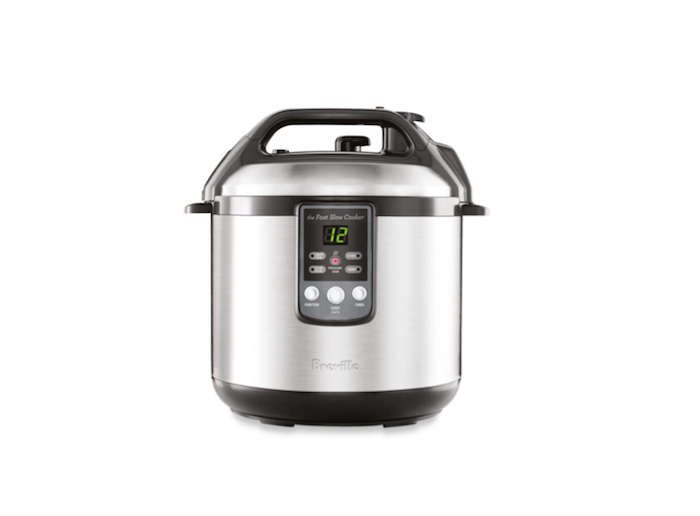
Jun
The Breville Fast Slow Cooker is what happens when a pressure cooker, a slow cooker, and a very organized kitchen assistant decide to share one stainless-steel apartment. It is designed for home cooks who want the cozy tenderness of slow cooking but also enjoy the “dinner is ready before everyone starts snacking on cereal” speed of pressure cooking.
In the United States, shoppers usually meet this appliance family through models such as the Breville Fast Slow Pro and the newer Breville Fast Slow Go. Both sit in the modern multicooker category, but Breville’s approach is more premium and more controlled than the average button-covered countertop gadget. The main idea is simple: cook fast when life is chaotic, cook slow when you planned ahead, and use sear, sauté, steam, and reduce functions to build better flavor without dirtying half the kitchen.
This review-style guide breaks down how the Breville Fast Slow Cooker works, who it is best for, what it cooks well, where it may annoy you, and how to get the most from it without turning dinner into a science fair project.
What Is the Breville Fast Slow Cooker?
The Breville Fast Slow Cooker is a countertop multicooker built around two major cooking styles: pressure cooking and slow cooking. Pressure cooking uses sealed steam pressure to cook foods quickly, making it useful for beans, stock, stews, braised meats, rice, grains, and weekday meals that normally need weekend-level patience. Slow cooking uses low, steady heat over several hours, making it ideal for pot roast, pulled pork, chili, soups, and “I want the house to smell like I have my life together” dinners.
Breville adds several supporting functions that make the machine more flexible. Depending on the model, you can sear meat, sauté aromatics, steam vegetables, reduce sauces, keep food warm, and customize time, temperature, pressure level, and release style. That means you can brown beef, pressure cook it until tender, then reduce the sauce in the same cooking bowl. Fewer pans, fewer splatters, fewer mysterious dishes in the sink. Everybody wins.
Key Features That Make It Stand Out
1. Pressure Cooking and Slow Cooking in One Appliance
The biggest reason people search for a Breville pressure cooker slow cooker is convenience. The Fast Slow Cooker lets you choose between speed and tenderness. A beef stew can be pressure cooked on a busy Tuesday night, while a pork shoulder can slow cook on a Sunday afternoon until it practically gives up and becomes dinner.
This dual personality is especially useful for people who meal prep. You can pressure cook beans, chicken, grains, or stock quickly, then use the slow cook function for larger comfort-food recipes. Instead of buying a separate slow cooker and electric pressure cooker, the Breville combines both in a single appliance with a premium interface.
2. Smart Cooking Settings
The Breville Fast Slow Pro is known for its smart menu system. It includes dedicated settings for common foods and cooking styles, such as meat, stew, soup, stock, rice, risotto, legumes, poultry, vegetables, and dessert. The appliance automatically suggests time, pressure, and steam release behavior, which helps reduce guesswork.
That said, smart settings are not magic spells. A three-pound chuck roast and a one-pound stew meat batch do not behave the same way. The presets are best used as a confident starting point, not a replacement for common sense, recipe testing, or occasionally poking dinner with a fork like a suspicious detective.
3. Hands-Free Steam Release
One of Breville’s strongest features is its hands-free steam release system. On many pressure cookers, releasing steam can feel dramatic, loud, and slightly theatrical. Breville’s automatic release options help keep your hands away from hot steam and allow the machine to use different release styles depending on the food.
Quick release is useful when you want to stop cooking immediately, such as with vegetables or seafood. Natural release is better for soups, stocks, beans, and meats that benefit from a gentler finish. Pulse release helps reduce food disturbance, which can matter when cooking foamy or delicate recipes. In normal human language: the machine tries not to blast your dinner into chaos.
4. Sear, Sauté, and Reduce Functions
Flavor begins before the lid closes. The ability to sear and sauté directly in the cooking bowl is one of the best reasons to choose a multicooker over a basic slow cooker. Browning onions, garlic, spices, tomato paste, or meat before pressure cooking adds depth and richness.
The reduce function is also helpful. After pressure cooking, sauces can be thinner than expected because sealed cooking traps moisture. Instead of pouring everything into a saucepan, you can reduce the sauce in the Breville bowl until it thickens. This is perfect for short ribs, pulled chicken, lentil stew, or a glossy pot roast gravy that looks like it knows a celebrity chef.
5. Premium Interface and Build
Breville appliances are often known for thoughtful controls, and the Fast Slow Cooker family follows that pattern. The display and dial-style navigation are more polished than many budget multicookers. The interface makes it easier to adjust time, temperature, pressure, and steam release without feeling like you are programming a spaceship from a 1990s movie.
The brushed stainless-steel look also fits modern kitchens well. It is not a tiny appliance, but it looks more refined than many bulky plastic multicookers. If your countertop is prime real estate, at least this machine dresses nicely for the neighborhood.
Breville Fast Slow Pro vs. Breville Fast Slow Go
The Breville Fast Slow Pro is the premium, highly adjustable model many people think of when they search for the Breville Fast Slow Cooker. It is especially appealing if you want more control over pressure levels, steam release, and cooking behavior. It offers a more advanced cooking interface and is a strong fit for confident home cooks.
The Breville Fast Slow Go is a newer sibling with a more streamlined approach. It still offers pressure cooking, slow cooking, steaming, sautéing, reducing, and other everyday multicooker functions, but it aims to be a little easier to use. For many households, the Go may feel more approachable, while the Pro feels more customizable.
Choose the Pro if you like control and enjoy tweaking recipes. Choose the Go if you want Breville quality with a simpler experience. Either way, both are designed for people who want more than a basic slow cooker but do not want five separate appliances playing countertop Tetris.
What Can You Cook in a Breville Fast Slow Cooker?
Weeknight Dinners
The Breville Fast Slow Cooker shines with weeknight meals that usually take too long. Chicken thighs with salsa verde, beef chili, lentil soup, turkey meat sauce, curry, rice bowls, and shredded pork can all become realistic after-work dinners. Pressure cooking can turn tough cuts tender much faster than oven braising.
Comfort Food
For comfort food, this appliance is in its natural habitat. Think pot roast, beef stew, chicken and dumpling-style filling, short ribs, pulled pork, baked beans, creamy risotto, and hearty vegetable soup. The slow cook mode gives you that classic all-day texture, while pressure mode gets you surprisingly close when time is short.
Stocks, Beans, and Grains
Homemade chicken stock is one of the best uses for a pressure cooker. Bones, aromatics, water, and pressure can produce a rich base for soups and sauces without simmering all day. Beans are another practical win, although cooking times vary by bean age, soaking method, and texture preference. Rice and grains can work well, but they may need testing because different varieties absorb water differently.
Vegetables and Steaming
The steam function is useful for vegetables, dumplings, eggs, and simple sides. The key is not overdoing it. Pressure and steam are powerful, and vegetables can go from crisp-tender to cafeteria memory lane faster than expected. Start conservatively, then adjust.
Where the Breville Fast Slow Cooker Performs Best
The Breville Fast Slow Cooker is best for cooks who value control, clean design, and flavor-building steps. It is excellent for braising, stewing, stock-making, and recipes that benefit from searing before pressure cooking. The interface is one of its strongest advantages because it helps users understand what the appliance is doing.
It also suits people who cook often enough to justify a premium multicooker. If you make one pot roast every leap year, a cheaper slow cooker may be enough. But if you cook soups, beans, grains, braises, and meal-prep proteins weekly, the Breville earns its counter space more easily.
Potential Downsides to Consider
No appliance is perfect, not even one wearing brushed stainless steel like a kitchen tuxedo. The Breville Fast Slow Cooker can be more expensive than many Instant Pot-style competitors. If budget is the top priority, there are cheaper pressure cookers that perform basic tasks well.
The sear function is convenient, but it will not fully replace a ripping-hot cast iron skillet. Electric multicookers are useful for browning, but the bowl shape and heating style can make deep, even searing harder. For maximum crust on steak or large batches of meat, a stovetop pan still wins.
Some users may also need a learning curve. Because Breville allows more control, beginners may feel tempted to adjust everything at once. The best approach is to cook a few tested recipes first, learn how the machine handles liquid and timing, then experiment.
Tips for Getting Better Results
Use Enough Liquid, But Not Too Much
Pressure cooking needs liquid to create steam. However, sealed cooking does not evaporate much moisture. If you add the same amount of liquid as a stovetop recipe, the final dish may be watery. Use recipe guidance, then reduce the sauce afterward if needed.
Brown in Small Batches
For better flavor, do not crowd the bowl when searing. Crowded meat steams instead of browns. Work in batches, even if it feels slightly annoying. Dinner will taste better, and your stew will stop looking like it skipped leg day.
Respect Natural Release
Natural pressure release is not wasted time. It helps meats relax, prevents foamy foods from sputtering, and can improve texture. For beans, soups, and braises, natural release often gives smoother results than rushing the process.
Keep the Lid and Seal Clean
Like any pressure cooker, the Breville depends on a clean seal and properly assembled lid. Food residue around the gasket, valve, or lid parts can affect performance. After cooking saucy or starchy foods, clean the removable parts carefully. Future you will appreciate not discovering chili perfume inside tomorrow’s rice.
Who Should Buy the Breville Fast Slow Cooker?
The Breville Fast Slow Cooker is a strong choice for home cooks who want a premium multicooker with thoughtful controls. It is especially good for people who like braises, soups, beans, rice dishes, stocks, and meal prep. It is also ideal for cooks who want both pressure cooking and slow cooking without owning two separate machines.
It may not be the best choice for people who want the cheapest possible multicooker, need a very small appliance, or prefer ultra-simple one-button cooking. Breville gives you power and flexibility, but it rewards users who read the manual, follow tested recipes, and learn the rhythm of pressure cooking.
Breville Fast Slow Cooker Buying Advice
Before buying, consider capacity, cooking habits, and storage space. A 6-quart multicooker is a practical size for many families, couples who meal prep, or anyone who likes leftovers. It can handle soups, stews, roasts, grains, and batches of beans without being oversized for everyday use.
If you want maximum customization, look closely at the Fast Slow Pro. If you want a friendlier interface and newer everyday design, compare the Fast Slow Go. Also check whether the cooking bowl material matters to you. Some cooks prefer stainless steel for durability, while others like nonstick for easy cleanup.
Finally, compare the Breville with Instant Pot, Ninja, and other multicookers. Breville often wins on design and control, while competitors may offer lower prices, air frying lids, app connectivity, or more preset buttons. The right choice depends on whether you value precision and premium build more than maximum gadget count.
Real Kitchen Experience: Living With the Breville Fast Slow Cooker
Using the Breville Fast Slow Cooker feels different from using a basic slow cooker. A traditional slow cooker is wonderfully simple: add ingredients, turn the knob, walk away, hope dinner behaves. The Breville asks for a little more attention at the beginning, but it pays you back with better flavor and more options.
The first experience many cooks have is making stew. You add oil, sear beef in batches, sauté onions and carrots, stir in tomato paste, pour in broth, lock the lid, and pressure cook. The machine takes time to come up to pressure, which is normal, then the timer begins. When the cooking cycle ends, the steam release method matters. A natural or pulse release keeps the stew calmer and helps the meat stay tender. After opening, the sauce may look thinner than expected, but the reduce setting fixes that quickly. Ten minutes later, the stew looks richer, smells deeper, and tastes like it has been simmering for hours.
Another useful experience is cooking beans. Dried beans are economical, healthy, and delicious, but they are also tiny drama queens. Some batches cook quickly; others act like they were carved from antique furniture. The Breville helps by giving you pressure control, but you still need to adjust based on soaking and bean age. Start with conservative times, check texture, and add a few minutes if needed. Once you learn your favorite beans, the process becomes easy.
Slow cooking in the Breville is also pleasant, especially for pulled pork, chicken thighs, chili, and meat sauce. The advantage over a basic slow cooker is that you can sauté onions, bloom spices, and brown meat first. That one step makes a big difference. Chili tastes more rounded when the spices hit hot oil before the liquid goes in. Pork shoulder tastes better when the outside gets some browning before the long cook. It is the difference between “nice dinner” and “why does this taste like a restaurant?”
There are small annoyances. The appliance is not tiny, so storage can be tricky in a crowded kitchen. The sear function is useful but not as aggressive as a stovetop skillet. Cleaning the lid parts requires more attention than washing a normal pot. And because pressure cooking is powerful, delicate foods can overcook if you treat every preset like a universal truth.
Still, the overall experience is positive for cooks who use it regularly. The Breville Fast Slow Cooker is not just a shortcut machine. It is a technique machine. It lets you build flavor, control pressure, choose release styles, and finish sauces in one place. Once you learn its personality, it becomes the appliance you reach for when dinner needs to be practical but still taste like you cared.
Final Verdict
The Breville Fast Slow Cooker is a premium multicooker for people who want speed, tenderness, and control in one polished appliance. It is especially strong for braised meats, soups, stews, beans, stocks, sauces, and meal prep. Its smart settings, hands-free steam release, and sear-to-reduce workflow make it more sophisticated than a basic slow cooker and more elegant than many budget pressure cookers.
It is not the cheapest option, and it may be more machine than a casual cook needs. But for a kitchen that regularly handles comfort food, batch cooking, and busy weeknight dinners, the Breville Fast Slow Cooker is a smart investment. It helps dinner move faster when time is short and taste deeper when patience is available. That is a rare combinationand frankly, dinner could use more overachievers.

