
Beauty Tools & Accessories
Robert Irwin Goes On A Hilarious Expedition To Find “One Of The Most Endangered Species On The Planet”
Jun
Robert Irwin has spent much of his life around crocodiles, snakes, koalas, birds, and the kind of animals most people prefer to admire from the safe side of a documentary screen. So when he announced that he was heading out on an expedition to find “one of the most endangered species on the planet,” viewers had every reason to expect something rare, scaly, furry, feathered, or possibly capable of removing a thumb.
Instead, he found toilet paper.
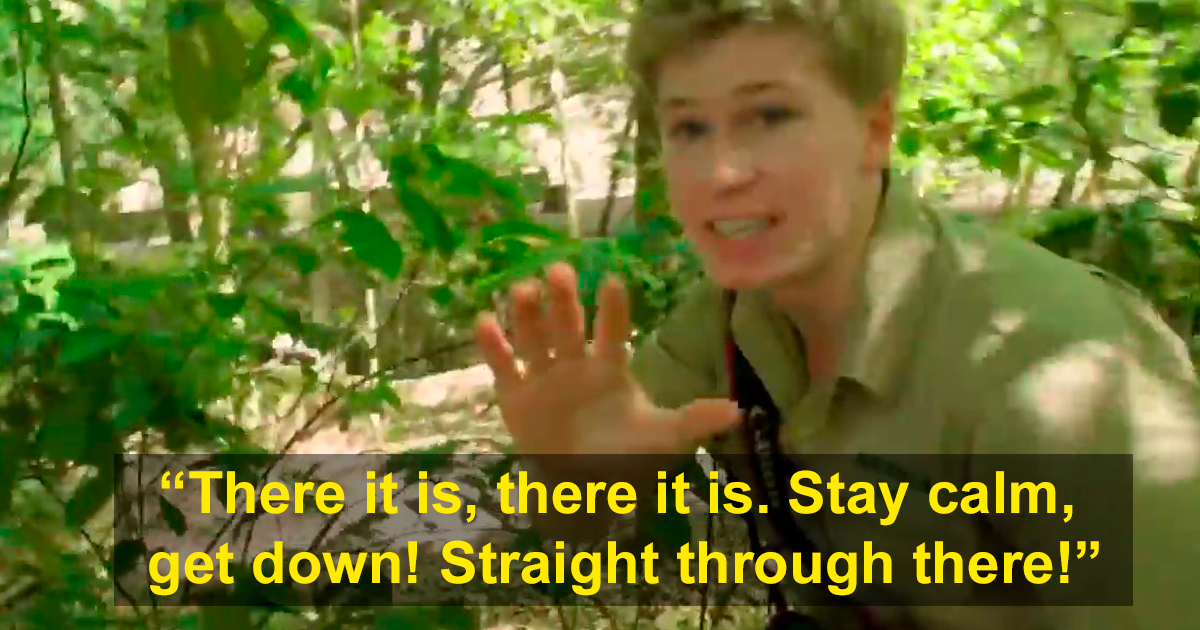
Yes, the same humble household roll that once lived peacefully in bathroom cabinets and supermarket aisles suddenly became the unofficial mascot of pandemic panic buying. In a wonderfully ridiculous parody video posted around April Fools’ Day in 2020, Robert Irwin treated a roll of toilet paper like a critically rare wildlife specimen. He moved through the outdoors with a camera, whispered with safari-level intensity, and delivered the kind of breathless nature-show narration that made the joke land perfectly.
The result was more than a silly clip. It was a sharp, funny snapshot of a strange cultural moment when empty shelves became daily news, hand sanitizer felt like treasure, and ordinary errands began to resemble survival missions. Robert’s “endangered species” expedition worked because it combined three things people needed at the time: humor, familiarity, and a gentle reminder to stop hoarding the basics.
The “Endangered Species” Wasn’t What Anyone Expected
The setup was classic Irwin-family storytelling. Robert, then a teenage wildlife photographer and conservation personality, framed the mission like a serious field assignment. He crept through nature with dramatic focus, scanning the landscape for a creature so rare that even seasoned explorers might never see it in its natural habitat.
Viewers familiar with the Irwin style knew the rhythm immediately: the hushed excitement, the sudden pointing, the urgent “there it is” energy, the camera slowly closing in. Normally, that kind of build-up belongs to a crocodile sunning itself near the water or a shy reptile tucked under a branch. This time, the grand reveal was a roll of toilet paper sitting there as if it had migrated from aisle seven to the wilderness in search of peace.
That twist was the whole joke. Toilet paper had become absurdly hard to find in many stores during the early months of COVID-19. Panic buying and stockpiling turned a cheap household product into something people photographed, joked about, argued over, and occasionally guarded like a family heirloom. Robert simply gave the public mood a wildlife-documentary costume and let the silliness speak for itself.
Why Robert Irwin Was The Perfect Person For The Joke
Not every celebrity could make a toilet paper parody feel charming instead of cheap. Robert Irwin could because his public image is rooted in genuine enthusiasm for nature. He is not pretending to be an explorer for the bit; he actually is a wildlife conservationist, photographer, and presenter who grew up at Australia Zoo surrounded by animal care, rescue work, and conservation education.
That authenticity gave the parody its punch. He borrowed the language of wildlife discovery and applied it to the most ordinary object imaginable. The contrast was delicious: the seriousness of the search versus the ridiculousness of the subject. It was like watching a National Geographic special about a sandwich bag.
The video also carried a familiar echo of his father, Steve Irwin, whose energetic, slightly goofy presentation style helped make wildlife education exciting for millions of people. Robert’s delivery felt affectionate rather than forced. He did not need to copy every mannerism; the family DNA was already there in the excitement, the khaki-clad commitment, and the ability to make viewers care about what was happening on screen, even when what was happening was technically bathroom-adjacent.
The Pandemic Context Made The Comedy Hit Harder
To understand why the clip spread, you have to remember how strange early 2020 felt. People were suddenly learning new terms, changing routines, canceling plans, refreshing news feeds, and trying to make sense of a rapidly changing health crisis. In that atmosphere, grocery stores became emotional theaters. One person buying two packs of paper towels could accidentally trigger a chain reaction of suspicion. A bare shelf could feel like evidence that everyone else knew something you did not.
Toilet paper became the most visible symbol of that anxiety because it is bulky, familiar, and easy to notice when missing. Empty shelves looked dramatic. A cart stacked with rolls looked even more dramatic. Social media did what social media does: it turned the whole thing into memes, jokes, arguments, and shared disbelief.
Robert Irwin’s parody arrived at exactly the right time. It did not shame people with a lecture. It made the behavior look as silly as it was. By presenting toilet paper as a rare creature requiring stealth, patience, and professional documentation, he gave everyone permission to laugh at the collective absurdity without ignoring the seriousness of the moment.
A Funny Video With A Real Message
Underneath the comedy was a simple message: stop panic buying, think of others, and wash your hands. That last part mattered. During the early pandemic, public-health guidance repeatedly emphasized handwashing as one of the most basic ways to reduce the spread of germs. Robert’s video used a joke to point back toward practical behavior.
That is one reason the clip aged better than many pandemic-era jokes. It was not built on cruelty or misinformation. It was built on an observation everyone recognized: people were acting like toilet paper had joined the list of rare natural wonders. The joke was clean, useful, and just absurd enough to cut through the anxiety.
Comedy often works best when it names what people are already feeling. In this case, people felt uncertainty, frustration, and a little embarrassment over how quickly society could turn a bathroom supply into a national treasure hunt. Robert gave that feeling a storyline: a brave explorer, a rare specimen, and the triumph of finally spotting the elusive roll in the wild.
How The Clip Fits Robert Irwin’s Bigger Public Persona
Robert Irwin’s career has always mixed education, entertainment, and conservation. His work at Australia Zoo, his wildlife photography, and his television appearances all point toward the same broader mission: making people care about the natural world. That mission requires more than facts. It requires warmth, timing, and the ability to hold attention.
The toilet paper expedition proved that he understands attention. He took a global conversation and filtered it through his own recognizable style. Instead of posting a generic “please don’t panic buy” message, he made a mini-adventure. Viewers got a laugh, but they also got the point.
That is a valuable lesson for anyone trying to communicate online. People do not always respond to direct instruction, especially during stressful moments. But they often respond to a story. Robert’s story just happened to feature the rare and magnificent Bathroom Roll, observed in pristine condition after a difficult trek through its alleged habitat.
The Steve Irwin Spirit: Serious Heart, Silly Delivery
Steve Irwin became a global figure because he could make dangerous animals feel fascinating instead of terrifying. His style was loud, loving, physical, and unforgettable. He brought boyish wonder to creatures that were often misunderstood, especially crocodiles and reptiles. Robert’s parody echoed that spirit in a modern, internet-friendly way.
The humor was not random. It came from treating a ridiculous subject with total seriousness, a method that has powered great comedy for generations. The more committed Robert became to the “expedition,” the funnier the reveal felt. His field-photographer posture, cautious movements, and excited commentary all sold the illusion just long enough for the punchline to work.
That balance is important. If he had winked too early, the joke would have collapsed. If he had overdone it, the joke might have felt forced. Instead, he found the sweet spot: sincere enough to resemble a wildlife segment, silly enough to make the roll of toilet paper look like it deserved its own conservation program.
Why Toilet Paper Became The Weirdest Celebrity Of 2020
Before the pandemic, toilet paper was not exactly a star. Nobody gathered the family around to admire a fresh twelve-pack. Nobody said, “Look at the texture on that two-ply, absolutely majestic.” It was useful, forgettable, and usually purchased without ceremony.
Then scarcity changed its status. The moment people believed it might not be available, toilet paper became psychologically valuable. Empty shelves created urgency. Photos of stockpiles created social proof. Rumors spread faster than supply trucks could calm nerves. A product designed to disappear quietly became impossible to ignore.
Robert’s joke captured that transformation. In his parody, toilet paper was not just a product; it was a creature of legend. The absurdity came from how close the joke was to reality. For a while, finding a pack in stock really did feel like spotting something rare. People texted friends about it. Stores placed limits on it. Families discussed it with a seriousness usually reserved for mortgage rates and medical appointments.
What Brands And Creators Can Learn From The Viral Moment
Robert Irwin’s hilarious expedition is also a small case study in smart content creation. The video worked because it was timely, personal, and easy to understand within seconds. It did not require a complicated explanation. The audience already knew the setup because they were living it.
First, the topic was instantly recognizable.
Everyone knew about empty shelves and panic buying. The subject was already in the public conversation, so the video did not need to build context from scratch.
Second, the format matched Robert’s identity.
A wildlife-style expedition made sense coming from him. The joke would have felt less natural from someone with no connection to animals, photography, or outdoor adventure.
Third, the tone was light but useful.
The clip poked fun at hoarding without becoming mean-spirited. It ended on a practical public-health reminder, which gave the humor a purpose.
For writers, creators, and marketers, that combination is gold. The best viral content often feels obvious after the fact because it connects the right person, the right format, and the right moment. Robert did not chase a trend blindly; he translated it into his own language.
The Conservation Angle Behind The Comedy
Although the video was clearly a joke, it also played with real conservation language. Words like “endangered,” “rare,” and “species” usually refer to living organisms facing threats such as habitat loss, climate change, poaching, or disease. Robert’s mock-serious use of those terms made the toilet paper reveal funny, but it also highlighted how familiar wildlife vocabulary has become through documentaries and conservation media.
That familiarity is part of the Irwin family’s legacy. For decades, they have helped bring conservation into everyday conversation. Robert’s parody relied on the audience understanding how a wildlife expedition is supposed to sound. The fact that so many people immediately got the joke says something about how deeply nature-documentary language has entered pop culture.
In a strange way, the clip also reminded viewers what real endangered species are not. Toilet paper was scarce because of human behavior and supply pressure. Animals become endangered because of much deeper, longer-lasting environmental threats. The parody worked because everyone knew the comparison was ridiculous. And sometimes ridiculous comparisons help people remember the real meaning of serious words.
Experiences That Make This Expedition Feel So Relatable
Part of the reason Robert Irwin’s toilet paper expedition remains memorable is that almost everyone has a small story from that period. Maybe you walked into a supermarket and saw an aisle so empty it looked newly renovated. Maybe you heard someone whisper that a delivery truck had arrived, as though discussing buried treasure. Maybe a neighbor proudly announced they had found hand sanitizer, and for one brief moment, they became the Indiana Jones of disinfectant.
The experience was oddly universal. People who had never cared about paper products suddenly developed strong opinions about brands, roll counts, and whether one family really needed enough toilet paper to build a defensive wall. Grocery trips became tactical missions. Shoppers learned which stores restocked early. Group chats turned into supply intelligence networks. Someone’s aunt always seemed to know where the good stuff was, and nobody knew how she knew.
That is why Robert’s parody felt so satisfying. It turned a stressful routine into a shared joke. Instead of pretending the situation was normal, it leaned into how deeply abnormal it had become. The idea of crouching in the wild to photograph toilet paper was funny because many people had already felt a tiny surge of triumph when they saw it in a store. The video simply exaggerated that emotion until it became a full nature documentary.
There was also a social lesson hiding inside the laughter. Scarcity can make people weird. A person who is normally calm and generous can suddenly wonder whether they should buy three extra packs “just in case.” Multiply that impulse by thousands of shoppers, and shelves empty fast. Robert’s clip gently pointed out that panic buying creates the very shortage people fear. When everyone grabs more than they need, the next person gets nothing.
Many families also learned the difference between preparation and hoarding. Preparation looks like buying what you reasonably need and leaving enough for others. Hoarding looks like turning your garage into a paper-products warehouse while your neighbors are improvising with napkins. The funny thing is that most people do not think of themselves as hoarders in the moment. They think they are being responsible. Humor can break that spell because it lets people see their behavior from the outside.
Robert’s expedition also captured how comedy helped people cope. During uncertainty, small jokes became emotional pressure valves. People shared memes, made parody songs, filmed kitchen experiments, and laughed at the absurd details of daily life. A roll of toilet paper became a punchline not because the pandemic was funny, but because humans need little pockets of relief when the world feels too heavy.
That is the lasting charm of the video. It was not just about toilet paper. It was about the strange ways people search for control during chaos, the importance of thinking about others, and the power of a well-timed joke delivered by someone who knows exactly how to make an “expedition” feel dramatic. Robert Irwin did not discover a new species that day, but he did capture a rare cultural specimen: the moment ordinary household supplies became legendary.
Conclusion: A Rare Roll, A Big Laugh, And A Smart Reminder
Robert Irwin’s hilarious expedition to find “one of the most endangered species on the planet” remains a perfect example of how humor can turn a stressful moment into something people can process together. By treating toilet paper like a rare wildlife discovery, he captured the absurdity of pandemic panic buying without losing his warmth or his conservation-minded identity.
The video worked because it was timely, sincere, and just ridiculous enough. It nodded to the Irwin family’s adventurous spirit, gave viewers a much-needed laugh, and reminded everyone that common sense matters during a crisis. Buy what you need. Leave some for others. Wash your hands. And if you ever spot a pristine roll of toilet paper in the wild, approach slowly. It may be easily spooked.
Note: This article is original SEO content based on publicly available information about Robert Irwin’s 2020 viral parody, his conservation background, the Irwin family’s wildlife legacy, and pandemic-era panic-buying behavior.

