
Hair Care
How to Wash Socks in the Sink: 12 Steps
Jun
Washing socks in the sink sounds like one of those tiny life skills nobody teaches until you are standing in a hotel bathroom, holding a pair of socks that could probably walk away on their own. The good news? You do not need a washing machine, a fancy laundry room, or a dramatic soundtrack. With a clean sink, mild detergent, cool or lukewarm water, and a little patience, you can hand wash socks so they come out fresh, soft, and ready for another day of heroic foot duty.
This guide explains exactly how to wash socks in the sink in 12 simple steps. Whether you are traveling, living in a dorm, camping between laundromat visits, saving money, or protecting delicate wool socks from rough machine cycles, sink-washing is practical, fast, and surprisingly satisfying. It also helps prevent odor buildup, detergent residue, stretching, pilling, and the tragic disappearance of one sock into the laundry underworld.
The method below works for most everyday cotton, polyester, athletic, bamboo-blend, and merino wool socks. The only rule before you begin: always check the care label. Socks may seem simple, but some are delicate little divas, especially compression socks, wool hiking socks, dress socks, and novelty socks with prints, grips, or embellishments.
Why Wash Socks in the Sink?
Sink washing is not just for emergencies. It is a smart way to clean small loads without wasting water or waiting for laundry day. Socks collect sweat, skin oils, dirt, bacteria, lint, and whatever mysterious floor debris exists between the bed and the bathroom. If you wear them during workouts, travel days, hikes, long shifts, or humid weather, they can become odor magnets quickly.
Hand washing gives you control. You can use gentle water temperature, choose a mild detergent, focus on stained heels and toes, rinse thoroughly, and air dry without blasting elastic fibers with high heat. This is especially helpful for moisture-wicking socks, merino wool socks, compression socks, and dark socks that fade when treated too aggressively.
What You Need Before Washing Socks in the Sink
Gather your supplies first so you are not wandering around with wet socks like a confused laundry wizard.
- A clean sink or basin
- Mild liquid laundry detergent
- Cool or lukewarm water
- A clean towel
- A drying rack, hanger, shower rod, or towel bar
- Optional: baking soda for odor, oxygen-safe stain remover, or white vinegar for a separate odor rinse
Use liquid detergent when possible because it dissolves quickly in a sink. Powdered detergent can work, but it must be fully dissolved before socks go in. Laundry pods are not ideal for sink washing because they are designed for machine loads and may leave concentrated residue in a small basin. A little detergent goes a long way. Socks are small; they do not need a bubble bath worthy of a luxury spa.
How to Wash Socks in the Sink: 12 Steps
Step 1: Check the Care Label
Before water touches fabric, read the care label. Most everyday socks can be washed in cool or warm water, but wool, compression, and performance socks may need gentler treatment. If the label says cold water, no bleach, lay flat to dry, or avoid fabric softener, believe it. The sock has spoken.
Pay special attention to merino wool socks. These often do best with cool or lukewarm water, mild detergent, gentle movement, and flat air drying. Compression socks should be handled carefully to protect their stretch and support. Socks with grips on the bottom, such as yoga or hospital-style socks, should not be exposed to high heat because heat can weaken the grip material.
Step 2: Sort Socks by Color and Fabric
Separate white socks, dark socks, bright socks, and delicate socks. This prevents dye transfer and keeps fabrics from rubbing against tougher items. A red sock can turn white socks pink faster than you can say “laundry regret.”
Also separate very dirty socks from lightly worn ones. Muddy hiking socks should not share a sink soak with delicate dress socks. If you are washing several pairs, group similar fabrics together: cotton with cotton, athletic synthetics with synthetics, and wool with wool.
Step 3: Shake Out Dirt and Lint
Before washing, shake each sock over a trash can or outside. Turn socks inside out and remove lint, hair, grass, sand, or small debris. The inside of the sock is where sweat and skin oils collect, so turning socks inside out helps detergent reach the areas that need the most cleaning.
This step is especially useful for athletic socks and hiking socks. Dirt trapped in the fibers can act like sandpaper during washing, wearing down the heel and toe areas over time.
Step 4: Clean the Sink First
Do not wash socks in a sink that still has toothpaste, shaving cream, makeup, beard trimmings, or yesterday’s mysterious soap film. Rinse and wipe the sink thoroughly before filling it. If needed, wash the basin with mild soap, rinse well, and make sure no cleaner residue remains.
This matters because strong bathroom cleaners can irritate skin or damage fabric. Socks sit directly against your feet for hours, so keeping the wash area clean and residue-free is worth the extra minute.
Step 5: Fill the Sink with Cool or Lukewarm Water
Use cool or lukewarm water for most socks. Hot water can shrink some fabrics, fade dark colors, weaken elastic, and make wool unhappy. Warm water can help with odor and everyday soil, but when in doubt, go cooler. Cool water is gentler and safer for mixed fabrics.
Fill the sink with enough water to fully submerge the socks. They should have room to move. Crowding socks into a tiny puddle makes it harder for detergent to loosen sweat and dirt.
Step 6: Add a Small Amount of Mild Detergent
Add detergent to the water before adding socks. For a sink of socks, start with about half a teaspoon to one teaspoon of liquid laundry detergent. Stir the water with your hand until the detergent is evenly mixed.
Using too much detergent is one of the most common hand-washing mistakes. More soap does not mean cleaner socks. It usually means more rinsing, sticky residue, stiff fabric, and a suspiciously slippery sink. If you have sensitive skin, choose a fragrance-free, dye-free detergent and rinse extra well.
Step 7: Submerge and Swish the Socks
Place the socks in the soapy water and press them down until fully wet. Gently swish them around for one to two minutes. Think of this as persuading dirt to leave, not wrestling the socks into submission.
For regular daily wear, gentle agitation is enough. For gym socks, work socks, or socks that smell like they survived a marathon and a cheese festival, you can swish a little longer. Avoid twisting or aggressive scrubbing, especially with wool or compression socks.
Step 8: Soak for 10 to 15 Minutes
Let the socks soak for 10 to 15 minutes. This gives detergent time to loosen sweat, oils, and odor trapped in the fibers. For very delicate socks, keep the soak shorter. For sturdy cotton athletic socks, a slightly longer soak may help.
If socks are extremely smelly, add one tablespoon of baking soda to the wash water and dissolve it before soaking. Baking soda can help neutralize odor without being harsh. Avoid mixing random household cleaners, bleach, vinegar, and detergent together in the sink. Laundry chemistry is not the place to become a mad scientist.
Step 9: Gently Rub Stained Areas
After soaking, focus on the dirtiest spots: heels, toes, soles, and cuffs. Rub fabric against fabric gently. For white cotton or polyester socks, you may pretreat stains with an oxygen-safe product or a small dab of detergent. Let it sit briefly, then wash and rinse.
Be careful with bleach. Chlorine bleach may whiten certain cotton or polyester socks, but it can damage spandex, elastic, wool, and colored fibers. Many socks contain stretch fibers, even when they look like plain cotton. If you are not sure, skip chlorine bleach and use a color-safe oxygen option instead.
Step 10: Drain and Rinse Thoroughly
Drain the soapy water. Refill the sink with clean cool water and swish the socks again. Repeat until the water runs clear and the socks no longer feel slippery. Rinsing matters because detergent residue can make socks stiff, attract dirt, and irritate skin.
For sensitive skin, eczema-prone skin, or children’s socks, rinse one extra time. Fragrance, dye, and leftover detergent can bother some people, and feet spend all day enclosed in socks and shoes. Clean should feel clean, not coated.
Step 11: Press Out Water Without Wringing
Do not twist socks like you are trying to open a jar of pickles. Wringing can stretch elastic, distort shape, and stress fibers. Instead, press the socks gently against the side of the sink to remove excess water.
Then place the socks flat on a clean towel. Roll the towel up with the socks inside and press down to absorb more moisture. This towel-roll method speeds drying without damaging the fabric. It is especially useful for wool socks, thick athletic socks, and travel situations where you need them dry by morning.
Step 12: Air Dry Completely
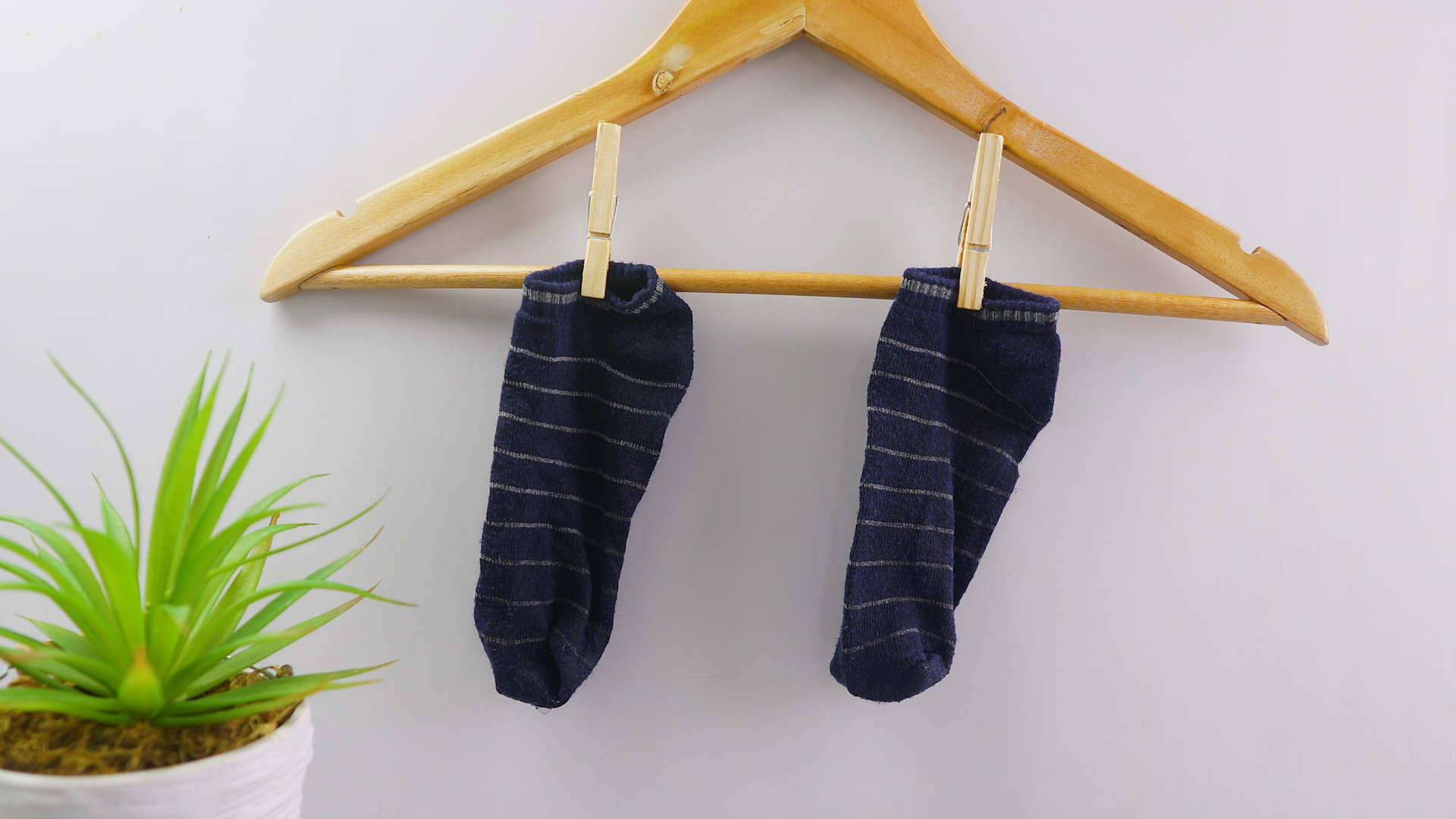
Hang socks over a drying rack, towel bar, shower rod, or hanger. You can also lay delicate socks flat on a dry towel. Make sure air can circulate around them. Flip thicker socks after a few hours so both sides dry evenly.
Avoid direct high heat from radiators, hair dryers, irons, or hotel lamps. Heat can shrink fibers, weaken elastic, and make socks stiff. Never store damp socks in a drawer, suitcase, gym bag, or shoe. Damp socks can develop mildew odors, and nobody wants to unpack a suitcase that smells like a swamp with ambition.
How to Handle Different Types of Socks
Cotton Socks
Cotton socks are durable and easy to wash, but they can hold moisture and odor. Use cool or warm water, mild detergent, and a good rinse. White cotton socks may need occasional stain treatment, especially around the soles.
Athletic and Moisture-Wicking Socks
Performance socks often contain polyester, nylon, spandex, or other synthetic fibers. These fabrics are designed to move moisture away from the skin, but detergent buildup and fabric softener can reduce performance. Wash them inside out, rinse thoroughly, and air dry when possible.
Merino Wool Socks
Merino wool socks are loved by hikers, runners, travelers, and anyone who enjoys feet that do not feel like overheated raccoons. Wash them gently in cool or lukewarm water with mild detergent. Do not use bleach or harsh cleaners. Reshape them while damp and dry flat or hang carefully away from direct heat.
Compression Socks
Compression socks rely on elastic structure, so treat them gently. Use mild detergent, cool water, and light squeezing. Avoid wringing, bleach, fabric softener, and high dryer heat. Air drying helps preserve compression and fit.
Common Mistakes to Avoid
The first mistake is using too much detergent. If the water looks like a bubble volcano, you used too much. The second mistake is rushing the rinse. Socks that are not rinsed well can feel stiff and itchy. The third mistake is using hot water on socks that contain wool, elastic, or bright dyes. Hot water may seem powerful, but it can cause shrinking, fading, and fiber damage.
Another mistake is drying socks in a closed bathroom with no airflow. If the air is humid, socks may stay damp for too long and develop odor. Place them near ventilation, a fan, or a sunny but not scorching window. If you are in a hotel, hang socks with space between them instead of stacking them like sad pancakes.
How Often Should You Wash Socks?
Wash socks after every wear. Socks absorb sweat, oils, dead skin cells, and odor-causing bacteria. If your feet sweat heavily, change socks during the day and wash the worn pair as soon as possible. This is especially important after workouts, long walks, hikes, hot weather, or wearing boots all day.
Clean socks also help reduce friction and moisture, which can make your feet more comfortable. If you are prone to blisters, odor, or irritation, fresh dry socks are a small habit with a big payoff.
Travel Tips for Washing Socks in a Sink
Sink washing is a travel superpower. Pack a small bottle of liquid laundry detergent or laundry soap sheets, a lightweight clothesline, and a zip bag for damp items. Wash socks in the evening so they have overnight drying time. Choose quick-drying socks for trips, especially synthetic or merino blends.
If the sink stopper does not work, use a clean plastic bag as a basin or wash socks under running water with a tiny amount of detergent. After rinsing, roll socks in a towel and step on the towel gently to press out water. It may feel silly, but it works. Laundry has no dignity requirement.
Experience Notes: What Sink-Washing Socks Teaches You
The first time you wash socks in the sink, you may think, “This is too simple to matter.” Then you see the water change color and immediately reconsider every floor you have ever walked on. Sink washing is humbling. It reveals that socks work harder than almost any other piece of clothing. They handle sweat, shoe friction, dust, pet hair, gym floors, airport carpets, and the occasional puddle you absolutely thought you could jump over.
One useful experience is learning that drying matters as much as washing. Many people do a decent job with detergent and rinsing, then ruin the whole project by hanging socks in a damp corner with no airflow. The socks dry slowly, smell stale, and feel crunchy. The better approach is to press out water with a towel, separate each sock, and hang them where air moves. A fan, open bathroom door, balcony chair, or travel clothesline can make a huge difference.
Another lesson is that less detergent is usually better. When you are washing by hand, it is tempting to add a generous squeeze because socks seem extra dirty. But too much detergent turns rinsing into a small personal trial. You keep rinsing, the socks keep foaming, and suddenly you are negotiating with a pair of ankle socks at midnight. A tiny amount of detergent, fully dissolved before washing, cleans more effectively than a sink full of suds.
Travelers quickly learn which socks are sink-friendly. Thick cotton socks take a long time to dry, especially in humid climates. Lightweight merino or synthetic socks usually dry faster and resist odor better between washes. This is why many experienced travelers pack fewer socks, but better socks. They wash one pair at night, wear another pair the next day, and avoid carrying a laundry bag that smells like a defeated locker room.
Parents also discover that sink washing is great for surprise sock disasters. Muddy playground socks, grass-stained sports socks, and mystery-sticky toddler socks can be handled before stains settle in. A quick rinse, short soak, and gentle rub can save socks from becoming permanent “outdoor only” clothing.
The biggest takeaway is that hand washing socks gives you control. You notice worn heels before holes appear. You treat stains early. You protect elastic. You stop letting damp socks ferment in gym bags. It is a small habit, but it makes socks last longer and keeps your feet happier. And honestly, any chore that prevents foot odor from becoming a household personality trait deserves respect.
Conclusion
Washing socks in the sink is simple, practical, and surprisingly useful. The key is to use a clean sink, cool or lukewarm water, a small amount of mild detergent, gentle agitation, thorough rinsing, and proper air drying. Turn socks inside out, sort by color and fabric, treat stained areas carefully, and avoid harsh heat or heavy wringing.
Whether you are traveling, protecting delicate socks, stretching time between laundry loads, or rescuing gym socks from odor doom, these 12 steps help you get clean results without a washing machine. Your socks will smell better, feel softer, dry cleaner, and last longer. Your feet will appreciate the effort, even if they never send a thank-you card.

