
Body Care
Light my Fire: Mantels Galore
Jun
A fireplace without a mantel is like a cupcake without frosting: technically complete, but emotionally suspicious. The mantel is the raised eyebrow of the living room, the tiny stage where candles, art, mirrors, family photos, antique clocks, seasonal greenery, and one mysterious decorative object from a vacation in 2009 all compete for applause.
Whether your home has a roaring wood-burning fireplace, a sleek gas insert, an electric unit, or a purely decorative faux fireplace that never produces more heat than a polite compliment, the mantel can transform the entire room. It gives the eye a place to land. It frames the firebox. It adds architecture where there may be none. Most importantly, it lets your home say, “Yes, I have personality,” without shouting it through twelve throw pillows.
In this guide, we’ll explore fireplace mantel ideas, materials, styling rules, safety basics, DIY options, seasonal mantel decor, and practical examples for homes of all sizes. Consider this your warm, slightly smoky, design-loving tour through mantels galore.
What Is a Mantel, Really?
A mantel is the shelf or decorative framework around a fireplace. Traditionally, mantels were built to catch smoke and protect the wall above the firebox, but modern mantels are mostly about design, proportion, and display. They may be made of wood, stone, marble, brick, cast concrete, metal, tile, plaster, or engineered materials.
Some mantels are simple floating shelves. Others are full fireplace surrounds with legs, crown molding, corbels, trim, and enough architectural confidence to make a plain wall feel underdressed. In older homes, a mantel may be original millwork. In newer homes, it may be an opportunity to add character without renovating the entire room.
Why Fireplace Mantels Matter in Interior Design
The fireplace is usually a natural focal point. Even when it is not lit, it suggests warmth, gathering, comfort, and storytelling. A well-designed mantel strengthens that focal point and helps organize the room around it.
Think of the mantel as the frame around a painting. The firebox is the moving artwork, especially on a cold evening when flames flicker and everyone suddenly wants cocoa. But the mantel controls the mood. A rustic beam says cabin weekend. A carved white surround says classic elegance. A dark stone slab says modern drama. A slim floating shelf says minimalist, but still emotionally available.
Popular Fireplace Mantel Styles
1. The Classic White Mantel
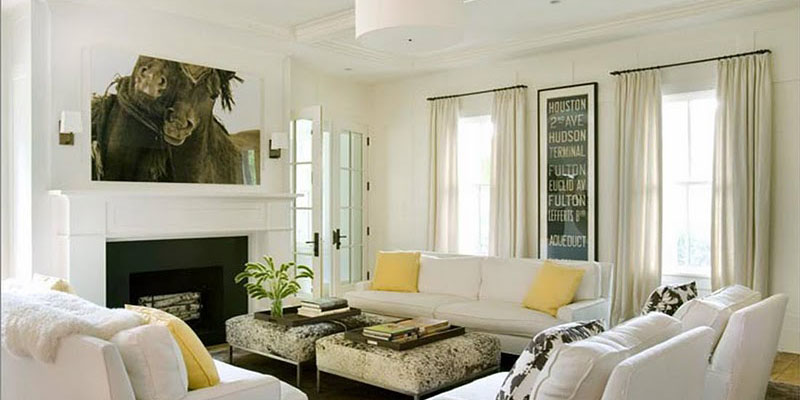
A white mantel is timeless for a reason. It works with colonial homes, cottages, townhouses, modern farmhouses, and traditional living rooms. White paint highlights trim details and brightens the fireplace wall. Pair it with a brick surround for casual charm or with marble tile for a more polished look.
2. The Rustic Wood Beam
A reclaimed wood mantel brings warmth, texture, and character. It is especially popular in farmhouse, cabin, industrial, and transitional interiors. The knots, saw marks, and natural grain make the room feel lived-in rather than showroom-perfect. That is good news if your decorating style is “curated but also the dog lives here.”
3. The Stone Mantel
Stone mantels feel substantial and permanent. Limestone, marble, granite, slate, and cast stone can create anything from European grandeur to clean contemporary style. Stone is also durable and visually rich, though installation is usually heavier, pricier, and best handled by professionals.
4. The Modern Floating Mantel
A floating mantel is a shelf mounted above the fireplace without visible supports. It is great for modern, Scandinavian, midcentury, and transitional spaces. The look is simple, but the installation must be secure. Nobody wants a mantel that slowly gives up and drops a vase during dinner.
5. The Built-In Mantel Wall
For larger rooms, a mantel can be part of a full built-in wall with shelving, cabinets, lighting, and media storage. This creates a finished, custom look while solving practical problems like where to hide board games, remotes, and the cables that multiply when no one is watching.
Choosing the Right Mantel Material
Material choice affects style, safety, maintenance, and budget. Wood is warm and flexible but combustible, so clearance rules matter. Stone and tile are heat-resistant and durable, making them useful around active fireplaces. Brick offers texture and tradition. Concrete can look modern or industrial. Metal creates a sleek edge but may feel colder visually unless balanced with soft decor.
For a working fireplace, always check local building codes and the fireplace manufacturer’s specifications before installing or replacing a mantel. Combustible materials require proper spacing from the firebox opening. General guidance often emphasizes keeping burnable items away from heat sources, and local rules may be more specific than national recommendations.
Fireplace Mantel Safety: The Unsexy Part That Saves the House
Let’s talk safety, because a beautiful mantel should not double as a suspense thriller. If your fireplace works, whether wood-burning, gas, or electric, safety comes before styling.
Keep anything that can burn at least three feet away from fireplaces, wood stoves, candles, and other heat sources. That includes blankets, baskets, curtains, paper decorations, dried garland, stockings, and the charming wicker reindeer that looks innocent but has terrible survival instincts.
Wood-burning fireplaces and chimneys should be inspected and cleaned annually by a qualified professional. Creosote buildup, damaged flue liners, blocked chimneys, and poor ventilation can create fire and carbon monoxide risks. Use a fireplace screen with open fires, keep smoke and carbon monoxide detectors working, and never burn trash, cardboard, treated wood, painted wood, or wet “green” wood.
Decorating is fun. Avoiding emergency services is even better.
How to Style a Mantel Like a Designer
Start with One Anchor Piece
Most great mantels begin with one larger anchor item: a mirror, a framed artwork, a wreath, a large clock, or a sculptural object. This gives the arrangement structure. Without an anchor, mantel decor can look like a tiny yard sale that climbed up the wall.
Layer Different Heights
Use objects of varying heights to create movement. A tall vase, medium candlesticks, stacked books, and a low bowl can work together because the eye travels across them naturally. Avoid lining up objects of equal height unless your goal is “decorative fence.”
Balance Symmetry and Personality
Symmetrical mantel decor feels formal and calm. Try matching sconces, twin vases, or paired candlesticks. Asymmetrical styling feels relaxed and modern. For example, place a large framed print slightly off center, then balance it with a vase and smaller objects on the other side.
Use Texture, Not Just Color
A mantel looks richer when it includes contrast: wood with ceramic, glass with greenery, metal with linen, stone with warm candlelight. Texture keeps neutral decor from looking flat. Beige can be beautiful, but only when it has friends.
Edit Ruthlessly
The mantel is not a storage shelf for every object that has ever made you smile. Choose a few meaningful pieces and give them breathing room. Negative space is not emptiness; it is design confidence wearing invisible shoes.
Seasonal Mantel Decor Ideas
Spring Mantel Ideas
Spring mantels can feature fresh greenery, pastel ceramics, botanical prints, glass vases, and light woven textures. A simple arrangement of branches in a tall vase can look elegant without requiring you to become a full-time florist.
Summer Mantel Ideas
For summer, keep the mantel airy. Try coastal artwork, pale wood, shells in a bowl, linen-wrapped books, or a large mirror to bounce light around the room. If your fireplace is not in use, fill the firebox with stacked birch logs, lanterns, or a large basket.
Fall Mantel Ideas
Fall is mantel season’s dramatic entrance. Pumpkins, dried grasses, amber glass, brass candlesticks, plaid accents, and warm-toned artwork all work beautifully. Keep it layered but not crowded. The goal is cozy harvest, not produce department.
Winter and Holiday Mantel Ideas
Winter mantels shine with greenery, ribbon, metallic accents, stockings, pinecones, and candles. Use flame-resistant or battery-operated candles when possible, and keep garland safely away from heat. If the fireplace will be used, remove hanging stockings and combustible decor before lighting a fire.
DIY Mantel Ideas for Budget-Friendly Style
You do not need a mansion budget to get a mantel with presence. A simple wood shelf, decorative molding, corbels, paint, tile, or salvage materials can create a major transformation.
Paint an Existing Mantel
Paint is the fastest facelift. A dingy oak mantel can become crisp white, moody charcoal, deep green, or soft greige in a weekend. Use heat-appropriate products where needed and prep the surface properly. Sanding may not be glamorous, but it is the difference between “custom finish” and “peeling regret.”
Add Trim or Molding
Basic mantels can be upgraded with crown molding, picture-frame molding, fluted trim, or decorative brackets. This works especially well in builder-grade homes where the fireplace exists but looks like it was installed during someone’s lunch break.
Install a Floating Beam
A floating wood beam can add instant warmth. Make sure it is mounted into studs or masonry with appropriate hardware. For active fireplaces, confirm clearance requirements before choosing wood thickness and placement.
Reface the Surround
If the mantel is fine but the surround looks tired, consider tile, stone veneer, painted brick, or a new hearth finish. Ceramic, porcelain, and natural stone are common fireplace materials because they tolerate heat and wear well.
Mantel Decor for Different Home Styles
Modern Homes
Use clean lines, oversized abstract art, matte black accents, sculptural vases, and minimal accessories. A modern mantel should look intentional, not empty. Choose fewer pieces with stronger shapes.
Traditional Homes
Lean into symmetry, framed art, polished candlesticks, classic mirrors, porcelain pieces, and layered trim. Traditional mantels love balance and proportion. They also enjoy a good antique clock, because apparently time looks better in brass.
Farmhouse Homes
Try reclaimed wood, white shiplap, iron brackets, vintage signs, baskets, pottery, and greenery. The key is warmth without clutter. Farmhouse style works best when it feels collected, not mass-produced by a committee of mason jars.
Eclectic Homes
Mix vintage art, travel souvenirs, bold color, handmade ceramics, plants, and unexpected objects. The mantel is perfect for personality. Just repeat one or two colors or materials so the arrangement feels playful instead of chaotic.
Common Mantel Mistakes and How to Fix Them
Mistake 1: Art That Is Too Small
Tiny art above a large fireplace can look lonely. Choose a piece that relates to the mantel width. A good rule of thumb is to make the main artwork or mirror roughly two-thirds the width of the mantel, though the exact size depends on ceiling height and room scale.
Mistake 2: Too Many Small Objects
Small items can create visual clutter. Group them on trays, stack them on books, or remove half of them. When in doubt, pretend your mantel is going through airport security and only the essentials can pass.
Mistake 3: Ignoring the Hearth
The mantel and hearth should work together. If the mantel is rustic wood but the hearth is glossy black tile, bridge the styles with accessories that include both natural and dark elements. A fireplace design feels best when the top, middle, and bottom are in conversation.
Mistake 4: Forgetting Scale
High ceilings need taller decor. Small rooms need lighter visual weight. Large fireplaces can handle bold materials, while compact fireplaces often look better with simpler mantels and fewer accessories.
Should You Put a TV Above the Mantel?
The television-over-mantel debate is the design world’s version of pineapple on pizza. Some people love it. Some people gasp into their linen napkins.
Practically, a TV above the mantel can save space and create one focal wall. But there are concerns: heat exposure, viewing height, neck strain, and cable management. If you choose this setup, check the fireplace manufacturer’s heat guidelines, use proper mounting hardware, and consider a tilting mount. A lower mantel profile may also help keep the screen at a more comfortable height.
Design-wise, soften the TV with built-ins, sconces, artful objects, or a frame-style screen. The goal is to avoid making the fireplace look like it is worshipping a giant black rectangle.
Practical Examples: Mantel Makeovers That Work
The Builder-Grade Fix
Start with a plain gas fireplace and a flat drywall wall. Add a simple painted wood mantel, vertical paneling above it, and two built-in cabinets on either side. Style with one large mirror, two ceramic vases, and a stack of books. The result feels custom without rebuilding the house.
The Old Brick Refresh
For a dated red brick fireplace, clean the brick, update the hearth, and add a chunky wood beam mantel. Keep the brick natural for warmth or limewash it for a softer look. Add black metal fireplace tools and a large landscape painting for contrast.
The Small Apartment Faux Fireplace
No working fireplace? Build or buy a faux mantel surround. Place it against a living room wall and fill the opening with candles, books, stacked logs, or a decorative screen. You get the charm without the chimney sweep bill, which is basically design magic.
The Experience: Living With Mantels Galore
There is something surprisingly emotional about decorating a mantel. At first, it seems like a simple shelf. Then suddenly you are standing in your living room at 11:47 p.m., holding a brass candlestick in one hand and a ceramic bird in the other, whispering, “Do you belong here?” This is normal. Or at least common enough that we should all agree not to judge.
My favorite mantel experiences usually happen when the design is not too perfect. A mantel with only catalog-approved objects can look beautiful, but it may also feel like nobody is allowed to laugh near it. The best mantels have a little evidence of life: a framed family photo, a flea-market mirror, a vase that was bought on sale but looks expensive if no one asks questions, a stack of books that says, “Yes, we read,” even if one of them is mostly there for the cover color.
One of the easiest ways to refresh a room is to restyle the mantel before buying anything new. Remove every object first. Dust the shelf. Stand back. Then add one anchor piece. Maybe it is a mirror that reflects the window. Maybe it is a painting with colors that already appear in the rug. Then add height on one side, weight on the other, and a few smaller pieces to connect them. Ten minutes later, the room feels different. Twenty minutes later, you may start rearranging the furniture. This is how innocent mantel styling becomes a full Saturday.
Seasonal changes make the mantel even more fun. In fall, a few pumpkins and branches can make the whole house feel like it smells of cinnamon, even if dinner is frozen pizza. In winter, greenery and warm lights make the fireplace wall feel festive. In spring, a vase of fresh stems can make the mantel feel awake again. In summer, clearing the mantel down to a mirror, a bowl, and a piece of art can make the room breathe.
The practical lesson is this: mantels reward experimentation. You do not have to get it right the first time. In fact, you probably will not. The tall vase will look too tall. The mirror will look too low. The candlesticks will look like they are standing in line at the DMV. Move things around. Take a photo with your phone; photos reveal awkward gaps and strange proportions faster than your eyes do.
The other lesson is safety. A mantel can be gorgeous and still need common sense. If the fireplace is active, do not let fabric, paper, dried garland, or dangling decor get too close to heat. Battery candles are your friend. Secure heavy mirrors and art. Check clearances. Have the chimney inspected. A cozy room should feel exciting because it is beautiful, not because everyone is wondering whether the pine garland is about to make a dramatic career change.
Ultimately, the mantel is one of the most satisfying little design zones in a home. It can change with your mood, your season, your budget, and your level of patience. It can be grand or humble, rustic or polished, symmetrical or delightfully offbeat. Light the fire, style the shelf, edit the clutter, and let the mantel do what it does best: make the room feel gathered, grounded, and warmly alive.
Conclusion
A fireplace mantel is more than a decorative ledge. It is architecture, display space, mood-setter, safety consideration, and personality test all in one. The right mantel can make a plain room feel finished, an old fireplace feel fresh, and a modern home feel warmer. Whether you choose a rustic wood beam, a crisp painted surround, a stone statement piece, or a faux mantel for pure charm, the secret is balance: proportion, texture, personal meaning, and practical safety.
So go aheadlight your fire, metaphorically or literally. Give that mantel a starring role. Just keep the garland away from the flames, because good design should be hot, but not that hot.

