
Jun
As temperatures drop and winter arrives, many people notice that their skin becomes dry, tight, and increasingly itchy. What may start as occasional discomfort can quickly turn into persistent irritation, flaking, and redness. This often leads to the question: Why does my skin get itchy during cold weather?
The answer lies in how cold weather affects your skin’s natural protective barrier. Low humidity, harsh winds, indoor heating, and reduced moisture levels can strip the skin of its natural oils, making it more vulnerable to dryness and irritation. Fortunately, understanding the causes of winter itch can help you take the right steps to keep your skin comfortable and healthy throughout the season.
In this guide, we’ll explore why cold weather causes itchy skin and the most effective ways to prevent and treat it.
What Is Winter Itch?
“Winter itch” is a common term used to describe dry, itchy skin that develops during colder months.
It often affects areas such as:
- Legs
- Arms
- Hands
- Elbows
- Knees
- Back
- Face
Symptoms may include:
- Persistent itching
- Dryness
- Flaking
- Rough texture
- Redness
- Tightness
- Cracked skin
While winter itch is usually harmless, it can become uncomfortable if not properly managed.
Why Does Cold Weather Make Skin Itchy?
Several environmental and biological factors contribute to itchy skin during winter.
1. Low Humidity Levels
Cold air naturally contains less moisture than warm air.
During winter, both outdoor and indoor environments often have lower humidity levels, which can lead to:
- Increased water loss from the skin
- Dryness
- Irritation
- Tightness
When the skin loses moisture, it becomes more prone to itching.
2. Indoor Heating Dries the Air
While indoor heating keeps us warm, it can also remove moisture from the surrounding environment.
This dry air may:
- Dehydrate the skin
- Weaken the skin barrier
- Increase itchiness
People who spend long periods indoors may notice worsening symptoms during winter.
3. Loss of Natural Skin Oils
The skin produces natural oils that help maintain hydration and protect against environmental damage.
Cold temperatures can reduce oil production, leading to:
- Dry skin
- Rough patches
- Increased sensitivity
Without sufficient oils, the skin struggles to retain moisture effectively.
4. Damage to the Skin Barrier
The skin barrier acts as a protective shield that helps keep moisture in and irritants out.
Cold weather can compromise this barrier, causing:
- Moisture loss
- Increased sensitivity
- Irritation
- Itching
A weakened barrier is one of the main reasons winter skin feels uncomfortable.
5. Hot Showers and Baths
Many people enjoy long, hot showers during cold weather.
However, hot water can:
- Strip away natural oils
- Increase dryness
- Damage the skin barrier
This often leaves the skin feeling tighter and itchier afterward.
Common Areas That Become Itchy in Winter
Legs
The lower legs are particularly prone to winter dryness because they have fewer oil glands.
Hands
Frequent handwashing and exposure to cold air can cause significant dryness and irritation.
Arms
Dry indoor air often affects exposed areas such as the forearms and upper arms.
Face
Cold winds and low humidity can make facial skin feel tight and sensitive.
Elbows and Knees
These naturally drier areas may become rough, flaky, and itchy during winter.
Who Is More Likely to Experience Winter Itch?
Certain individuals may be more susceptible to itchy skin in cold weather.
Older Adults
As we age, the skin naturally produces less oil, increasing the risk of dryness.
People with Dry Skin
Those who already have dry skin often experience more severe winter symptoms.
Individuals with Sensitive Skin
Sensitive skin may react more strongly to environmental changes.
People with Skin Conditions
Cold weather can worsen conditions such as:
- Eczema
- Psoriasis
- Dermatitis
These individuals may require extra care during winter months.
How to Prevent Itchy Skin During Cold Weather
1. Moisturize Daily
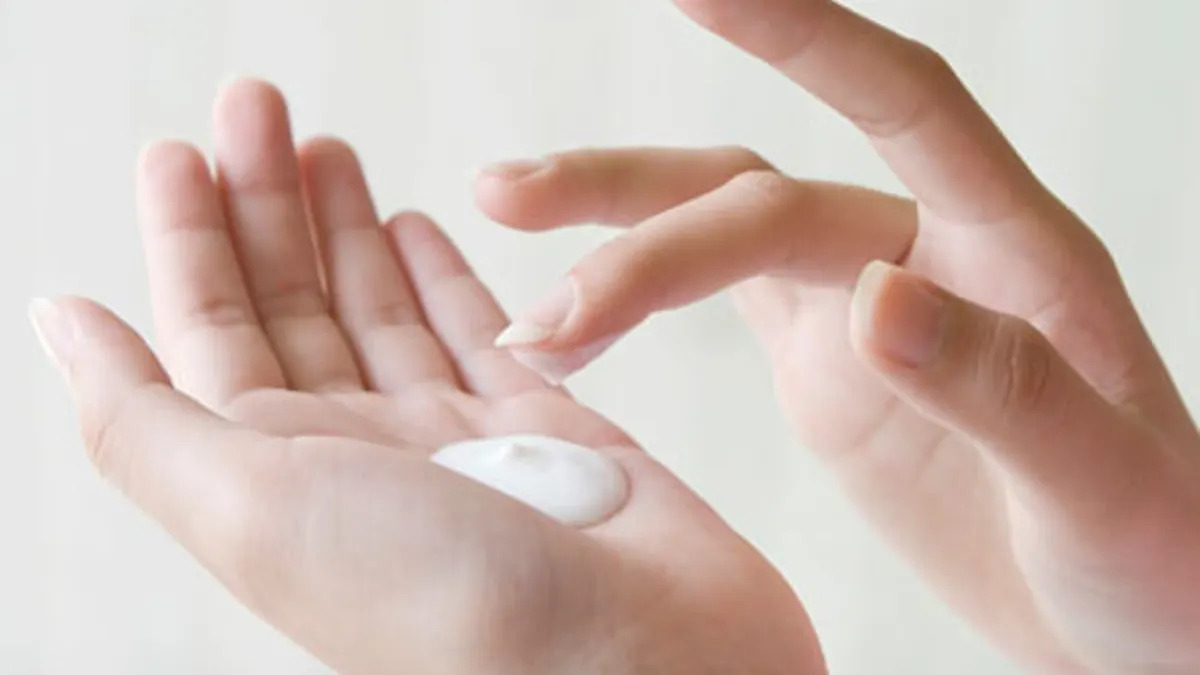
One of the most effective ways to combat winter itch is regular moisturizing.
Apply moisturizer:
- After showering
- Before bed
- Whenever skin feels dry
Look for Ingredients Such As
- Hyaluronic acid
- Ceramides
- Glycerin
- Shea butter
- Squalane
These ingredients help restore moisture and strengthen the skin barrier.
2. Use Gentle Cleansers
Harsh soaps can strip away essential oils.
Choose fragrance-free, hydrating cleansers that cleanse without causing excessive dryness.
Beneficial Ingredients Include
- Glycerin
- Aloe vera
- Oat extract
- Ceramides
Gentle cleansing helps preserve the skin’s natural moisture balance.
3. Take Shorter, Lukewarm Showers
Instead of hot water, use lukewarm water for bathing.
Benefits
- Preserves natural oils
- Reduces moisture loss
- Minimizes irritation
Limit showers to about 5–10 minutes when possible.
4. Apply Moisturizer Immediately After Bathing
Moisturizing while the skin is still slightly damp helps lock in hydration.
This simple habit can significantly reduce winter dryness and itching.
5. Use a Humidifier
Adding moisture back into indoor air can help prevent excessive skin dehydration.
Humidifiers may:
- Improve skin comfort
- Reduce dryness
- Support the skin barrier
They can be particularly helpful in bedrooms during the winter season.
6. Stay Hydrated
Drinking enough water supports overall skin function.
While hydration alone won’t eliminate winter itch, it contributes to healthier skin from within.
7. Wear Skin-Friendly Fabrics
Certain fabrics may aggravate sensitive skin.
Choose
- Cotton
- Soft natural fibers
Limit Direct Contact With
- Wool
- Rough synthetic materials
Layering softer fabrics underneath heavier winter clothing can reduce irritation.
8. Avoid Excessive Scratching
Scratching provides temporary relief but can worsen irritation and damage the skin.
Repeated scratching may lead to:
- Redness
- Inflammation
- Small skin injuries
- Increased discomfort
Keeping skin well-moisturized often helps reduce the urge to scratch.
Foods That Support Healthy Skin in Winter
A nutrient-rich diet may help support skin health during colder months.
Healthy Fats
Sources include:
- Salmon
- Walnuts
- Chia seeds
- Flaxseeds
- Avocados
These foods help support the skin barrier.
Antioxidant-Rich Foods
Choose:
- Berries
- Leafy greens
- Citrus fruits
- Sweet potatoes
Antioxidants help protect skin from environmental stressors.
When Should You See a Dermatologist?
Consult a healthcare professional if:
- Itching becomes severe
- Skin develops painful cracks
- Symptoms interfere with sleep
- Home remedies do not help
- Signs of infection appear
Persistent itching may indicate an underlying skin condition that requires medical treatment.
Common Winter Skincare Mistakes
Skipping Moisturizer
Dry skin often worsens quickly without regular hydration.
Taking Hot Showers
Hot water can significantly increase moisture loss.
Using Harsh Soaps
Strong cleansers may weaken the skin barrier.
Ignoring Indoor Air Quality
Very dry indoor air can contribute to ongoing skin discomfort.
Over-Exfoliating
Excessive exfoliation may increase sensitivity and worsen irritation.
A Simple Routine for Preventing Winter Itch
Morning
- Gentle cleanser
- Moisturizer
- Sunscreen on exposed skin
Throughout the Day
- Reapply hand cream as needed
- Stay hydrated
Evening
- Lukewarm shower
- Rich moisturizer or body cream
- Use a humidifier overnight if possible
Consistency is often the key to managing winter skin discomfort.
So, why does your skin get itchy during cold weather? The main causes are low humidity, indoor heating, reduced natural oils, and a weakened skin barrier. Together, these factors can leave the skin dry, irritated, and more prone to itching.
The good news is that winter itch can often be managed with proper skincare, regular moisturizing, gentle cleansing, and healthy lifestyle habits. By protecting your skin’s moisture barrier and adapting your routine to seasonal changes, you can keep your skin soft, comfortable, and healthy throughout the coldest months of the year.

