
Beauty Tools & Accessories
Subconjunctival Hemorrhages: Bloody Eye Signs and Treatment
Jun
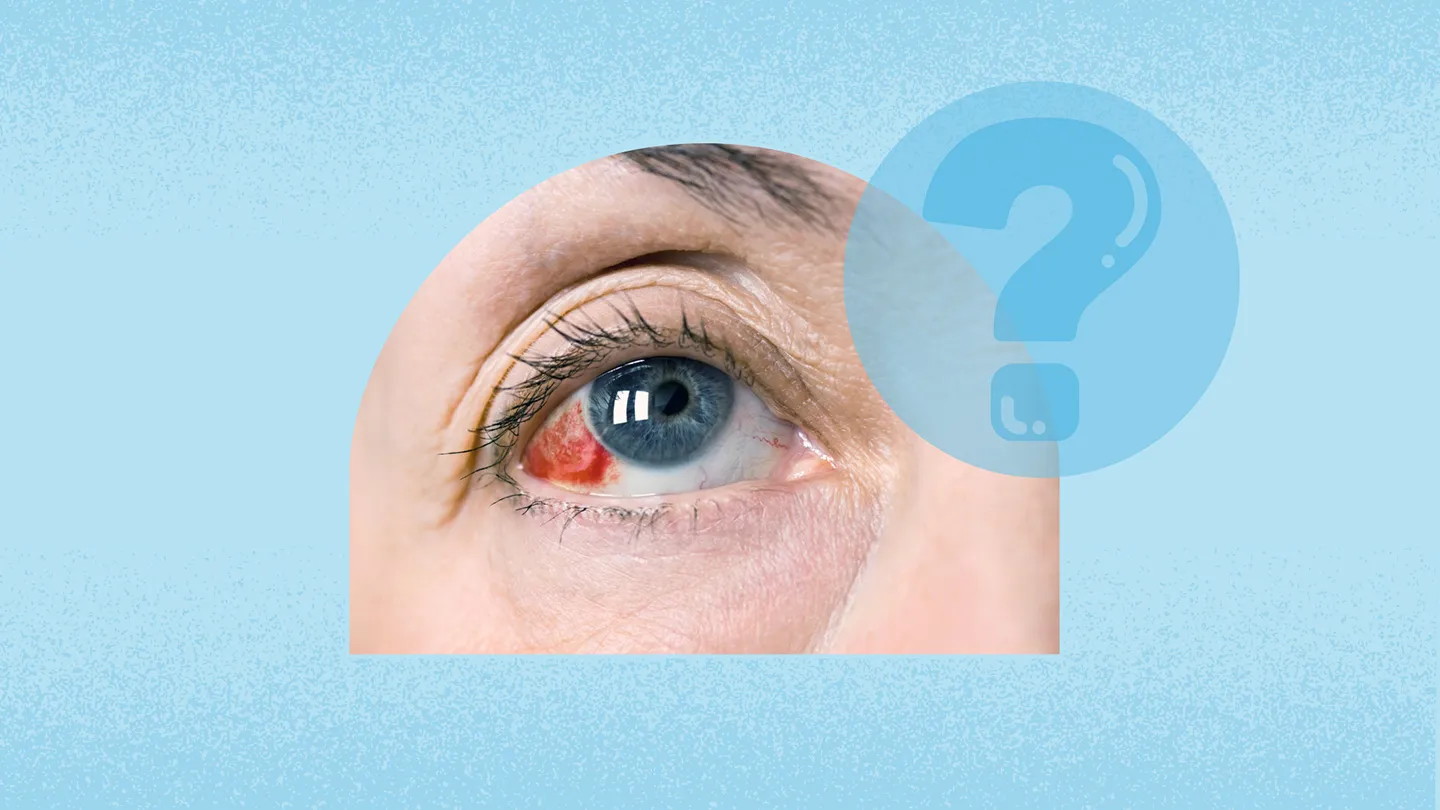
Few things start a morning faster than looking in the mirror and seeing one eye apparently auditioning for a vampire movie. A bright red patch on the white of the eye can look dramatic, alarming, and wildly unfairespecially when you feel perfectly fine. The good news? In many cases, this scary-looking “bloody eye” is a subconjunctival hemorrhage, a common and usually harmless broken blood vessel under the clear surface layer of the eye.
A subconjunctival hemorrhage often looks worse than it feels. In fact, many people discover it only because a spouse, coworker, barista, or brutally honest child says, “What happened to your eye?” The condition typically causes a sharply defined red patch on the white part of the eye, usually without pain, discharge, or vision loss. Still, not every red eye is harmless, so knowing the difference between a simple broken blood vessel and a true eye emergency matters.
This guide explains the signs, causes, treatment options, warning symptoms, prevention tips, and real-life experiences related to subconjunctival hemorrhages. Think of it as your calm, practical, no-panic handbook for when your eye looks like it lost a tiny boxing match.
What Is a Subconjunctival Hemorrhage?
A subconjunctival hemorrhage happens when a tiny blood vessel breaks beneath the conjunctiva, the clear membrane that covers the white part of the eye and lines the inside of the eyelids. Because the conjunctiva cannot absorb blood instantly, the trapped blood spreads across the white of the eye and creates a bright red, dark red, or sometimes purple-looking spot.
The word sounds enormous, but the idea is simple: it is basically a small bruise on the surface of the eye. Unlike a bruise on your arm, however, there is no skin to hide it, so it looks much more dramatic. A tiny amount of blood can spread widely under the clear tissue, making the red patch appear larger than the actual broken vessel.
Most subconjunctival hemorrhages are benign and heal on their own within a few days to a few weeks. The red area may gradually fade to brownish, yellowish, or pink before disappearing, much like a regular bruise changing colors. No tiny eye bandage requiredalthough the mental image is oddly charming.
Common Bloody Eye Signs to Recognize
A Bright Red Patch on the White of the Eye
The classic sign is a clearly visible red area on the sclera, the white part of the eye. It may be small and round, like a paint splatter, or it may cover a larger section. In some cases, it can make much of the eye look blood-red.
No Pain or Only Mild Irritation
A simple subconjunctival hemorrhage usually does not cause significant pain. Some people notice mild scratchiness, fullness, or awareness of the eye, but severe pain is not typical. If your eye hurts badly, that is a red flagnot just a red eye.
No Vision Changes
Your vision should remain normal. A subconjunctival hemorrhage affects the surface of the eye, not the retina, optic nerve, or deeper visual structures. Blurry vision, sudden vision loss, halos, or new light sensitivity should be evaluated promptly.
No Pus-Like Discharge
Unlike bacterial conjunctivitis, a subconjunctival hemorrhage does not usually produce thick yellow or green discharge. Watery eyes can happen from irritation, but sticky crusting or pus suggests another condition may be involved.
Usually One Eye
Most cases occur in one eye. Bleeding in both eyes at the same time is less typical and may deserve a closer look, especially if it happens with bruising elsewhere, nosebleeds, gum bleeding, or use of blood-thinning medication.
What Causes a Subconjunctival Hemorrhage?
Sometimes the cause is obvious. Other times, the eye simply decides to create visual drama without leaving a note. Common causes include pressure changes, minor trauma, health conditions, medications, and contact lens irritation.
Coughing, Sneezing, Vomiting, or Straining
A powerful cough, sneeze, or vomiting episode can briefly increase pressure in small blood vessels. That sudden pressure may cause one to rupture. Heavy lifting, constipation-related straining, intense exercise, or even forceful laughing may also trigger a bleed. Yes, in rare cases, laughing too hard can make your eye look terrifying. Comedy has consequences.
Eye Rubbing or Minor Injury
Rubbing the eye aggressively can break delicate surface vessels. So can a fingernail, makeup brush, towel corner, or accidental poke. Even small trauma may be enough, especially if the blood vessels are already fragile.
Contact Lens Use
Contact lenses can irritate the conjunctiva, especially if they are inserted roughly, worn too long, cleaned improperly, or used when the eye is already dry. A lens edge, trapped debris, or repeated handling may contribute to a small broken vessel.
High Blood Pressure
Hypertension can make blood vessels more vulnerable. A single subconjunctival hemorrhage does not automatically mean you have high blood pressure, but if it happens repeatedlyor if you have not checked your blood pressure in a whileit is reasonable to get it measured.
Diabetes and Vascular Health
Diabetes can affect blood vessels throughout the body, including tiny vessels in and around the eye. People with diabetes should take recurrent eye bleeding seriously and keep up with regular eye exams, especially because diabetes can also affect the retina.
Blood Thinners and Bleeding Disorders
Medications such as warfarin, aspirin, clopidogrel, and other anticoagulants or antiplatelet drugs may increase the chance of visible bleeding. However, do not stop a prescribed blood thinner just because you notice a red spot in your eye. Contact your healthcare professional for guidance, especially if the hemorrhage is large, recurrent, or accompanied by bleeding elsewhere.
Eye Surgery or Eye Procedures
Subconjunctival hemorrhage can occur after eye surgery, injections, or certain eye procedures. In many cases, doctors expect some surface bleeding and will explain what is normal during recovery. If the bleeding worsens, pain increases, or vision changes, call the treating eye specialist.
When Is a Bloody Eye Serious?
A typical subconjunctival hemorrhage looks alarming but feels boring. That is actually what you want. The more symptoms it brings with it, the more attention it deserves.
Seek medical care promptly if you have:
- Eye pain, moderate to severe discomfort, or pain with eye movement
- Blurred vision, decreased vision, double vision, or sudden vision changes
- Light sensitivity
- Recent eye injury, facial injury, chemical exposure, or foreign object in the eye
- Thick discharge, swelling, fever, or signs of infection
- Blood visible inside the colored part of the eye or in front of the pupil
- Repeated subconjunctival hemorrhages
- Easy bruising, nosebleeds, gum bleeding, or other unusual bleeding
- A large hemorrhage after trauma
- New bleeding while taking blood thinners
These symptoms may point to other problems, such as corneal injury, infection, uveitis, glaucoma, hyphema, globe injury, or a systemic bleeding issue. A simple red patch is usually no big deal; a red patch plus pain or vision changes is a different story.
How Doctors Diagnose Subconjunctival Hemorrhage
Diagnosis is usually straightforward. A doctor or eye care professional examines the eye, asks about symptoms, checks vision, and reviews possible triggers such as coughing, injury, contact lens use, medications, or medical conditions.
If the hemorrhage is isolated, painless, and vision is normal, additional testing is often unnecessary. However, if the bleeding is recurrent, unusually large, related to trauma, or associated with other bleeding symptoms, the clinician may recommend checking blood pressure or ordering blood tests to evaluate clotting, platelet levels, or medication effects.
For contact lens wearers, the eye may be examined for scratches, infection, dryness, or lens-related irritation. For people with diabetes or high blood pressure, regular eye care remains important because deeper eye problems may not be visible in the mirror.
Subconjunctival Hemorrhage Treatment
Most Cases Need No Medical Treatment
The main treatment is patience, which is annoying but effective. The body gradually reabsorbs the blood. Small hemorrhages may fade within several days, while larger ones can take two to three weeks or sometimes a bit longer.
Artificial Tears Can Help Irritation
Lubricating eye drops, often called artificial tears, may soothe mild scratchiness or dryness. Choose preservative-free drops if you need them frequently. Avoid “get the red out” drops unless a clinician recommends them, because they may cause rebound redness or irritation.
Do Not Rub the Eye
Rubbing can make irritation worse or contribute to additional bleeding. If the eye feels dry, use lubricating drops instead. If something feels stuck in the eye, get it checked rather than trying to solve the mystery with your knuckle.
Use Cold or Warm Compresses Carefully
A cool compress may feel soothing in the first day if there is mild irritation. Later, some people prefer a warm compress for comfort. Compresses do not magically erase the blood, but they may make the eye feel better. Keep the cloth clean and avoid pressing hard.
Review Medications With a Professional
If you take blood thinners or aspirin for a medical reason, do not stop them on your own. The risk of stopping can be far more serious than a red eye. Instead, call your healthcare professional if the bleeding is recurrent, unusually large, or accompanied by other bleeding signs.
Treat the Underlying Trigger
If coughing caused the hemorrhage, managing the cough may prevent another episode. If constipation and straining were involved, hydration, fiber, and medical guidance may help. If contact lenses are the problem, proper fit, hygiene, replacement schedule, and wearing time matter.
What Not to Do
When an eye looks bloody, it is tempting to launch a full detective-and-pharmacy operation. Resist the chaos. Do not use antibiotic drops unless prescribed. Do not use steroid drops without medical supervision. Do not patch the eye unless instructed. Do not put herbal remedies, essential oils, breast milk, kitchen ingredients, or “my cousin said this works” liquids in your eye. Your eye is not a salad.
Also avoid wearing contact lenses until the eye feels normal and an eye care professional says it is safe, especially if you have irritation, pain, discharge, or suspected lens-related injury.
How Long Does a Subconjunctival Hemorrhage Last?
Most subconjunctival hemorrhages clear within one to three weeks. The red patch may spread slightly during the first day, then slowly fade. As it heals, the color can shift from bright red to darker red, brownish, yellowish, or pale pink.
The cosmetic phase is often the hardest part. You may feel fine, but everyone keeps asking what happened. A simple answer works: “It is a broken surface blood vessel. It looks worse than it is.” Then change the subject before someone offers you a home remedy involving tea bags and optimism.
Can You Prevent Subconjunctival Hemorrhages?
You cannot prevent every broken blood vessel, but you can lower the odds. Manage blood pressure, keep diabetes well controlled, avoid aggressive eye rubbing, treat dry eye, use contact lenses correctly, wear protective eyewear during risky activities, and follow medication instructions carefully.
If you cough frequently because of allergies, asthma, smoking, reflux, or infection, addressing the cause may reduce pressure-related eye bleeding. If constipation leads to straining, lifestyle changes or medical treatment may help. Prevention is less about babying your eyes and more about supporting the whole body that feeds those tiny vessels.
Subconjunctival Hemorrhage vs. Pink Eye
People often confuse a subconjunctival hemorrhage with pink eye, but they are different. Pink eye, or conjunctivitis, usually causes diffuse redness, irritation, tearing, itching, crusting, or discharge. It may be viral, bacterial, or allergic. A subconjunctival hemorrhage usually causes a sharply defined blood-red patch with little to no discomfort and no contagious infection.
If your eye is sticky, itchy, watery, swollen, or producing discharge, pink eye or another condition may be more likely. If the eye simply has a bold red patch and otherwise behaves normally, a subconjunctival hemorrhage is a strong possibility.
Real-Life Experiences: What a Bloody Eye Feels Like in Everyday Life
One common experience starts with complete confusion. A person wakes up, brushes their teeth, looks in the mirror, and suddenly freezes. The eye is bright red, but there is no pain. They blink. Still red. They splash water. Still red. They lean closer to the mirror with the seriousness of a detective in a crime drama. Still red. This is the moment many people search “blood spot in eye” and prepare emotionally for the worst, only to learn that a subconjunctival hemorrhage is often more theatrical than dangerous.
Another typical scenario involves a cough. After a week of battling a stubborn cold, someone notices a red patch on the eye. The cough has been intense, the sneezes have been Olympic-level, and the blood vessel finally waves a tiny white flag. The person may feel embarrassed at work because the eye looks painful, even though it does not hurt. Sunglasses indoors suddenly seem tempting, but also suspicious. In this case, reassurance helps: the eye should gradually clear, and treating the cough may reduce the chance of another episode.
Contact lens wearers often describe a different version. Maybe the lens felt dry. Maybe insertion was rushed. Maybe the eye was rubbed too hard after a long day staring at screens. The next morning, a red patch appears. This experience is a useful reminder that contacts need clean hands, proper storage, correct replacement, and enough rest time for the eyes. If there is pain, discharge, light sensitivity, or blurred vision, the lens wearer should not shrug it off. Contact lens-related infections can become serious quickly.
Some people feel anxious because the eye looks socially awkward. They may worry others think they were injured, crying, partying, or secretly transforming into a movie villain. That emotional reaction is real. Even harmless medical changes can feel stressful when they are visible on the face. A practical approach helps: take a clear photo on day one, avoid rubbing, use artificial tears if needed, and compare the appearance every few days rather than every ten minutes. Constant mirror-checking makes the healing process feel slower than a loading screen on bad Wi-Fi.
For older adults or people with high blood pressure, diabetes, or blood-thinning medication, the experience may come with extra questions. Was this random? Is blood pressure controlled? Has this happened before? Are there bruises elsewhere? In these situations, a calm check-in with a healthcare professional can provide peace of mind. The goal is not panic; the goal is context.
The most reassuring experience is watching the red patch fade. At first, it may look unchanged. Then one day it seems less angry. The color softens. The edge becomes less sharp. Eventually, the white of the eye returns, and the whole episode becomes a strange little story: “Remember when my eye looked like a horror movie poster, but I was completely fine?” That is the odd personality of a subconjunctival hemorrhagebig entrance, quiet exit.
Conclusion
A subconjunctival hemorrhage is one of those conditions that looks dramatic enough to ruin your mirror moment but is usually harmless. It happens when a tiny blood vessel breaks under the conjunctiva, causing a bright red patch on the white of the eye. Most cases are painless, do not affect vision, and heal naturally within a few days to a few weeks.
The best treatment is usually simple: do not rub the eye, use artificial tears for mild irritation, avoid unnecessary drops, and let the body reabsorb the blood. However, red flags matter. Seek medical attention if you have eye pain, vision changes, trauma, discharge, swelling, repeated bleeding, or signs of a broader bleeding problem.
In short, a bloody-looking eye is not always an emergencybut it is always worth understanding. When the eye looks scary but feels normal, stay calm. When it looks scary and feels painful or affects vision, get help. Your eyes may be small, but they are not subtle when they want attention.

