
Hair Care
For $10,000 You Can Own This Horrifying Ninja Turtle Costume
May
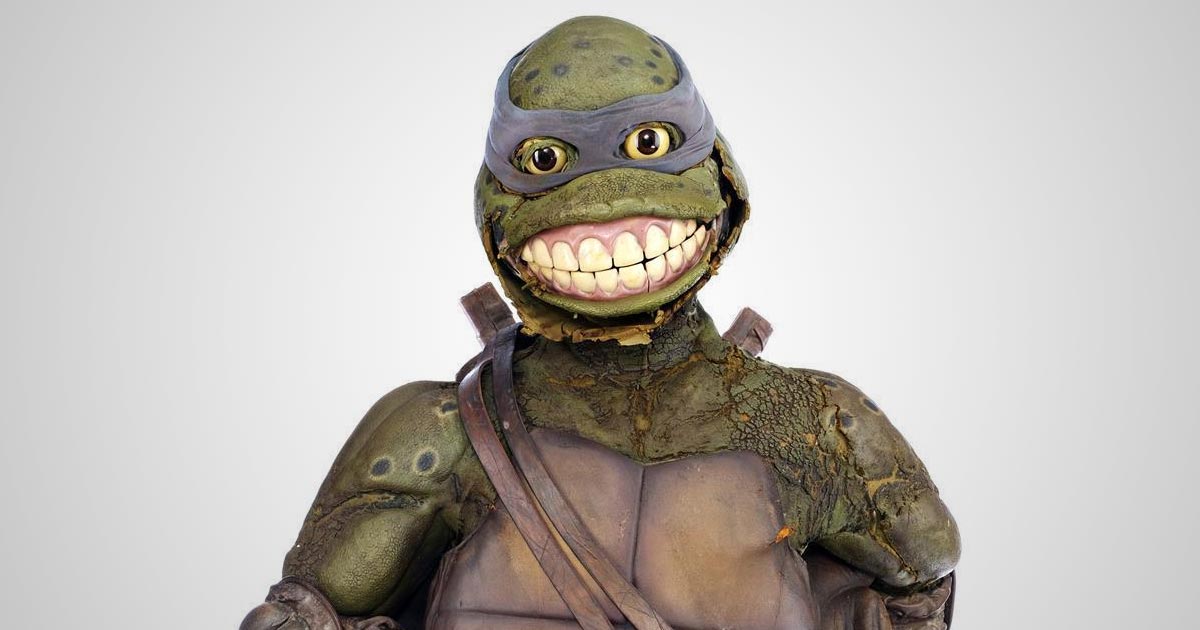
Some collectibles whisper, “Display me proudly.” Others crawl out of the sewer looking like they know where your childhood memories are buried. The infamous horrifying Ninja Turtle costume from Teenage Mutant Ninja Turtles III falls firmly into the second group. Once built to bring Leonardo to life on screen, this aging movie costume became internet-famous for a very different reason: it looked less like a heroic reptile and more like a foam-latex ghost that had seen the inside of a pizza oven.
The costume, associated with Leonardo performer Mark Caso, appeared in a 2019 Prop Store auction listing with an estimate around the five-figure range. Depending on exchange rates and how generously you define “own,” the price hovered near the kind of money most people reserve for a used car, a bathroom remodel, or six months of extremely irresponsible pizza delivery. What buyers were really being offered was not a ready-to-wear Halloween outfit. It was a fragile, decaying piece of TMNT movie memorabiliapart pop-culture treasure, part museum problem, part “please do not store this in your guest room unless your guests have signed a waiver.”
The $10,000 Question: Why Would Anyone Buy This?
To casual fans, paying thousands for a rotting turtle suit sounds like losing a bet with your accountant. But in the world of movie props, screen-used items carry a strange magic. They are physical leftovers from the illusion factory. A prop lightsaber, a stunt mask, a hero jacket, or a creature suit is not valuable only because it looks pretty. It is valuable because it was there. It shared space with actors, cameras, hot set lights, frantic crew members, and possibly someone yelling, “We need more fog!”
That is why the Leonardo costume still matters. It came from Teenage Mutant Ninja Turtles III, the 1993 sequel that sent April O’Neil and the Turtles back to feudal Japan. The movie is not exactly treated as the crown jewel of the franchise. Fans have spent decades debating the rubbery faces, the odd time-travel plot, and the feeling that the Turtles had wandered into a history class after eating expired pepperoni. Yet that awkwardness makes the suit more fascinating. It is not just a costume. It is evidence of a very specific moment when Hollywood tried to keep Turtlemania alive with practical effects, martial arts, wisecracks, and a lot of green foam.
From Hero in a Half Shell to Nightmare in a Clothes Hanger
The auction description made the costume sound both impressive and deeply exhausted. It included a green turtle bodysuit built from foam-latex cast elements over a spandex base, dense-foam chest and shell pieces, leather pads, a sword sheath setup, and a stunt head with resin teeth, glassy eyes, a fabric bandana, and an internal helmet liner. On paper, that sounds like a dream collectible. In photos, it looked like Leonardo had survived a samurai battle, three decades in storage, and a bad breakup with humidity.
The big problem was the material. Foam latex is wonderful for creating flexible creature suits. It bends, stretches, and allows performers to move in ways that hard plastic cannot. Unfortunately, foam latex also ages like milk with ambitions. Over time, it can dry out, crack, collapse, discolor, and crumble. Heat, light, moisture, oxygen, stress, and poor storage can all accelerate the decay. That is why many old movie creatures look less “behind the scenes” and more “behind the abandoned bowling alley.”
For collectors, this creates a tricky situation. The more authentic the object, the more fragile it may be. A brand-new replica can look perfect, but it has no screen history. A screen-used costume can have tremendous cultural value, but it may also require professional conservation, custom support, controlled storage, and the emotional strength to watch a beloved childhood icon shed flakes like haunted parmesan.
Why TMNT Costumes Were So Hard to Preserve
The original live-action Teenage Mutant Ninja Turtles films were a practical-effects achievement. Before modern CGI could make every superhero leap across a skyline like a caffeinated screensaver, performers had to climb inside heavy suits and act through layers of foam, fabric, mechanics, and heat. The first 1990 movie became famous for its creature work, helping convince audiences that four talking turtles could fight crime, eat pizza, and have surprisingly sincere family issues.
By the time Teenage Mutant Ninja Turtles III arrived, the franchise had shifted. The third movie had a different feel, and many fans noticed that the Turtle suits did not have quite the same expressive magic as the earlier films. Even so, they remain important artifacts. These costumes represent a period when creature suits were not nostalgic novelties. They were frontline blockbuster technology. Every mouth movement, head tilt, and sword pose required design, engineering, performance, and patience.
That labor is part of what makes the damaged Leonardo costume so fascinating. Yes, it is horrifying. Yes, it looks like it might whisper “cowabunga” from a dark hallway. But it also shows how much physical work went into making the Turtles feel real. The cracks and sagging foam are not just flaws. They are the price of practical movie magic aging in the real world.
The Strange Beauty of Ugly Movie Memorabilia
Collectors do not always chase perfection. Sometimes they chase stories. A mint-condition action figure sealed in plastic tells one kind of story: untouched, preserved, almost frozen. A deteriorating movie costume tells another: used, stressed, stored, rediscovered, and still weirdly alive in the public imagination. The Leonardo suit became a viral object because it sat at the exact intersection of nostalgia and horror. People recognized what it was supposed to be, then immediately questioned what it had become.
That reaction is powerful. A pristine Leonardo suit might inspire admiration. This version inspired jokes, disbelief, fascination, and a little protective sadness. It reminded fans that childhood icons are not immune to time. Neither are we, but thankfully most of us do not have resin teeth and a collapsing foam skull. The suit became memorable precisely because it failed to look heroic. Its damage made it human, or at least as human as a six-foot mutant turtle can be.
Is a Rotting Ninja Turtle Costume Actually Worth $10,000?
The honest answer is: maybe, but not for everyone. Movie memorabilia value depends on provenance, condition, screen association, rarity, franchise popularity, and buyer appetite. A damaged suit from a less beloved sequel will not command the same price as a pristine hero prop from a landmark film. But the Teenage Mutant Ninja Turtles brand has enormous cultural staying power. It began as a black-and-white indie comic by Kevin Eastman and Peter Laird, exploded into toys and cartoons, conquered movie theaters, and continues to reinvent itself for new generations.
That means even a troubled costume can attract attention. The buyer is not simply purchasing foam latex. They are buying a conversation piece, a display challenge, and a chunk of franchise history. In the right hands, with professional conservation, the suit could become a striking exhibit. In the wrong hands, it could become an expensive pile of green crumbs with cheekbones.
Restoration: Heroic Rescue or Expensive Turtle Surgery?
Restoring a costume like this is not as simple as grabbing glue, paint, and confidence from a craft store. Professional prop restoration often involves careful stabilization, custom body forms, sculpting replacement areas, matching paint, supporting fragile materials, and deciding how much damage should remain visible. A restorer must balance two goals: make the object displayable while preserving its authenticity.
That balance matters. If every crack is erased, the costume may start to look like a replica. If nothing is repaired, it may continue collapsing. The best restoration respects the object’s history while preventing further loss. Think of it less as a makeover and more as emergency care for a celebrity reptile who has been through things.
Why This Costume Went Viral
The internet loves a cursed object, especially when it comes with a beloved franchise attached. The Leonardo costume had all the ingredients: nostalgia, shock value, a high price tag, recognizable character design, and a level of decay that made people zoom in against their better judgment. It was not simply “old.” It was theatrically old. The vacant eyes, stiff mouth, and sagging texture created the kind of image that makes you laugh first and then check whether your closet door is fully closed.
It also tapped into a broader fan obsession with practical effects. Modern audiences often praise old-school creature work because it feels tangible. But tangible things age. CGI files may become outdated, but foam latex becomes dust. This costume forced fans to confront the messy afterlife of practical movie magic. The same materials that made Leonardo believable in 1993 helped make him terrifying decades later.
What Collectors Should Learn From the Horrifying Ninja Turtle Costume
1. Condition Is Not Everything, But It Matters
A damaged item can still be valuable if it has strong provenance and cultural importance. However, restoration costs and storage needs must be considered before buying. A five-figure purchase can quickly become a larger investment if the object needs professional conservation.
2. Foam Latex Is a Beautiful Traitor
Foam latex is flexible, expressive, and ideal for creature effects. It is also unstable over long periods. Collectors should keep latex and rubber objects away from excess light, heat, humidity, and unnecessary handling. The goal is not immortality. The goal is slowing the villain known as chemistry.
3. Provenance Is Everything
A screen-used costume with auction documentation is far more meaningful than a random green suit found online. Collectors should look for documentation, production history, certificates, photos, and reputable auction listings before spending serious money.
4. Display Requires Planning
A creature suit is not a poster. It needs space, support, climate awareness, and sometimes custom mounts. The Leonardo costume reportedly needed additional work just to stand properly. That is a polite way of saying, “Do not casually lean this next to your bookshelf.”
The Experience of Owning a Horrifying Ninja Turtle Costume
Owning a costume like this would be less like owning a collectible and more like adopting a famous cryptid with storage requirements. Imagine the delivery day. A large crate arrives, and inside is not a sparkling museum masterpiece, but a fragile green relic from the age of practical effects. You open the box with the careful excitement of a fan and the nervousness of someone defusing a nostalgia bomb. There is Leonardo, hero of Saturday mornings and movie marathons, staring back with the expression of a turtle who has discovered property taxes.
The first experience would probably be awe. Even in rough shape, the scale would hit you. This was not a toy. This was a full creature costume designed to surround a performer, fill a camera frame, and convince audiences that a mutant turtle could swing swords in feudal Japan. Standing near it, you would understand how much effort live-action fantasy required before everything could be solved with a render farm. The seams, pads, shell, teeth, and bandana would all tell small stories about construction and performance.
The second experience would be fear. Not monster fear, exactly, but collector fear. Every movement would feel risky. Could the foam crack if the room gets too dry? Is that flaking new? Should the head be supported differently? Why does it look slightly angrier under lamp light? A serious owner would need to think like a caretaker, not a fanboy with a spare corner in the garage. The suit would demand controlled display, limited handling, and possibly professional help from restoration experts who understand aging latex and film props.
The third experience would be comedy. Guests would absolutely react. Some would gasp. Some would laugh. Someone would ask if it is safe to be alone with it. Another person would immediately take a photo, because nobody sees a decaying Leonardo costume and thinks, “I will keep this moment private.” It would become the centerpiece of every conversation. Not the couch. Not the art. The haunted Turtle. Thanksgiving dinner would never recover.
But the deepest experience would be nostalgia with teeth. This costume is scary because it used to be joyful. It connects fans to sleepovers, VHS tapes, action figures, arcade games, school lunchboxes, and the first time they believed a rubber-suited hero could have a soul. Its deterioration does not erase that. In a strange way, it intensifies it. The suit proves that pop culture is physical. It ages, cracks, fades, and survives in imperfect forms. For the right collector, the horrifying Ninja Turtle costume is not just a bizarre purchase. It is a reminder that movie magic was made by hands, worn by bodies, damaged by time, and still powerful enough to make the internet stop scrolling and say, “Wait, is that Leonardo?”
Conclusion
The $10,000 horrifying Ninja Turtle costume is funny, unsettling, and oddly beautiful. It is not the sleek Leonardo fans remember from childhood, but that is exactly why it matters. This battered suit captures the strange afterlife of practical effects: the glory, the decay, the fan obsession, and the uncomfortable truth that even heroes in a half shell need climate-controlled storage. Whether you see it as a nightmare, a treasure, or the world’s most expensive warning about foam latex, it remains a remarkable piece of TMNT history.

